Overview
How ai fuels product placement in modern media
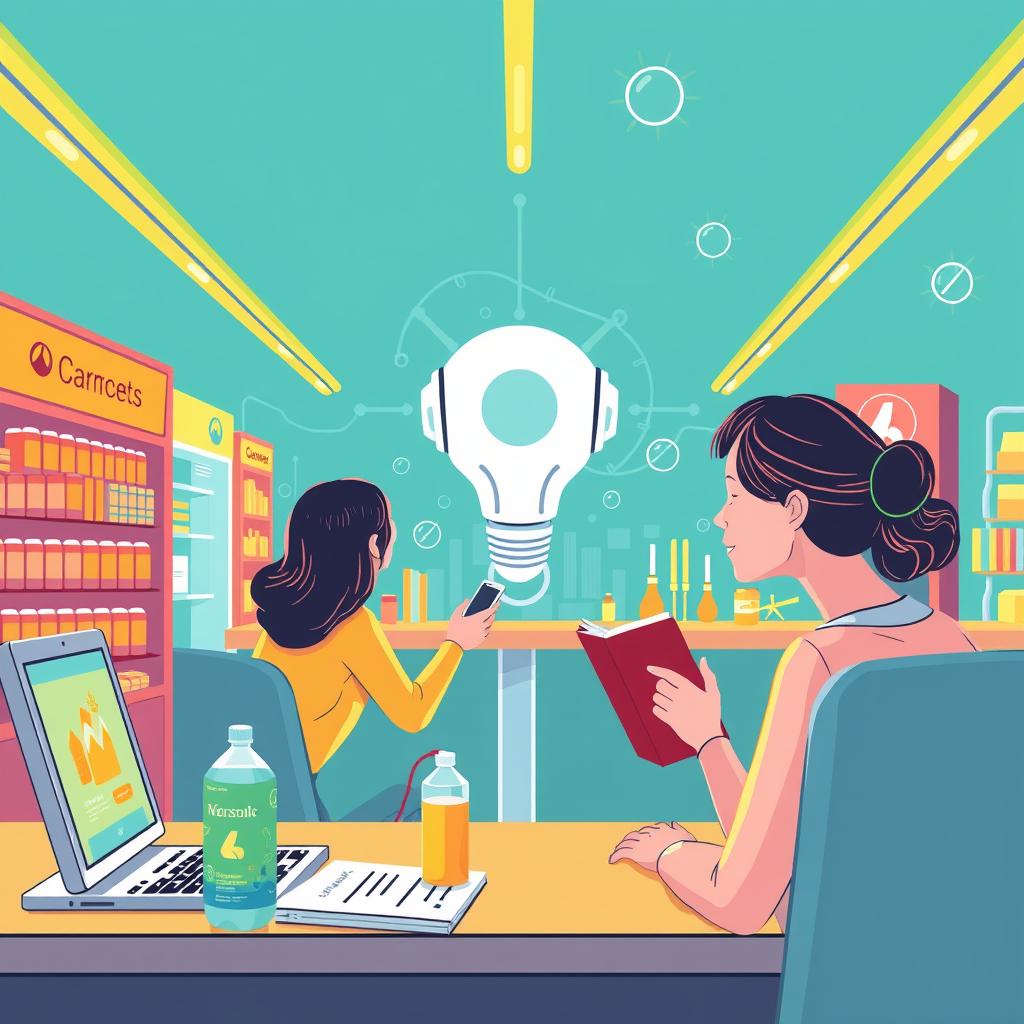
A few years ago, product placement often meant a soda can on a desk or a car parked just so. Basic. Sometimes embarrassing. Now, ai fuels can help editors test different placements before a scene is locked, and that saves time. A coffee cup, a laptop, a sneaker, even a phone screen can be matched to a character's habits, the setting, and the tone of the story. If the character is a night-shift nurse, a luxury sports car makes no sense. A worn backpack does.
And that's the core change. Old placement was broad and blunt. New placement can be selective. It can even adapt by region, platform, or age group. A travel brand might appear in a city drama, while a fitness tracker shows up in a health podcast clip. The ad isn't shouting. It's sitting inside the content, waiting to be noticed by the right viewer.
What I've noticed is that this works best when the product is already useful in the scene. A phone in someone’s hand. A snack on a road trip. A tool on a workbench. Simple enough. But AI can also push into stranger territory, like generating digital props or swapping branded items into archived footage. That's where the line gets fuzzy. If Federal Trade Commission disclosure isn't clear, viewers may feel tricked, and once trust slips, it's hard to win back.
There’s a practical side, too. Producers can run multiple placement options in minutes instead of spending days on manual mockups. That matters when budgets are tight and deadlines are brutal. In my experience, small creators benefit here as much as big studios. A podcast host, a YouTube reviewer, or an indie filmmaker can test sponsorship visuals before a sponsor signs off. Less guesswork. Fewer revisions. More control.
Yet the biggest advantage isn't speed. It's relevance. AI can connect a brand to a moment that feels emotionally right. A rain scene, a late-night bus ride, a celebration after a win. That kind of alignment can make content creation feel more polished and more native to the platform. And because many viewers now skip pre-roll ads, the placement has to earn its place by fitting the story. No shortcuts.
Still, there's a contrarian truth here. Better targeting doesn't automatically mean better persuasion. People aren't fooled by a shiny bottle just because it's placed neatly in frame. If the story feels hollow, the placement feels like a sales trick. A friend of mine once pointed out a branded water bottle in a cooking video so obviously that we spent more time talking about the sponsor than the recipe. That was the end of the illusion.
The tech itself keeps getting more useful. Generative tools can mock up scenes, while recommendation systems can suggest which brands align with which content themes. That helps media teams compare options before anyone spends real money. It also opens the door to dynamic placements, where the same show could display different products to different viewers depending on market or language. Powerful? Yes. Creepy? Sometimes. The answer depends on disclosure, context, and how far the publisher wants to go.
And the business model is shifting with it. Streaming platforms and YouTube creators want cleaner monetization than random banner ads. Brands want measurable exposure. Audiences want fewer interruptions. A I Fuels A New Era Of Product Placement because it sits in the middle of those three demands and tries to make peace. When it works, everyone gets something. When it fails, everyone feels manipulated.
There's also a creative upside that people miss. Writers can use placement as part of characterization. A beat-up phone tells you one thing. A premium laptop tells you another. A brand choice can signal class, job, age, or personality without a line of dialogue. That kind of storytelling is old-school film language, just with new tools behind it. And yes, that's where digital advertising starts to look more like set design than interruption.
But the ethical questions are real. If AI can insert products after filming, should viewers know? If a scene is altered for sponsorship, does the story lose something? I'd say yes, sometimes. Not always, but enough to matter. Transparent labels, clear contracts, and sensible limits help keep the practice honest. Without them, the whole thing starts to smell like a hidden ad, and nobody likes feeling played.
For creators, the smartest move is to treat AI like a drafting assistant, not a final decision-maker. Let it suggest. Let humans judge. Keep the placement useful, visible enough, and natural to the scene. Overdo it, and the audience sees the sausage being made. Keep it subtle, and the brand feels like part of the world. That's the sweet spot, and it's where A I Fuels A New Era Of Product Placement becomes more than a buzz phrase. It becomes a usable craft.
✅ Advantages
A I Fuels A New Era Of Product Placement by making sponsorships feel less clunky and more story-friendly. Brands can test ideas faster, creators can save hours, and marketers can aim at the right audience with less waste. In my experience, that speed matters most for small teams that can't afford endless reshoots.
It also improves fit. product placement can be matched to genre, character, and setting, so the product feels like it belongs. And when the placement is right, it can boost recall without breaking the scene. That's the dream, anyway. Add better measurement, and Federal Trade Commission disclosure can be built into the workflow instead of tacked on at the end.
⚠️ Disadvantages
A I Fuels A New Era Of Product Placement, but it can also make media feel more engineered than written. When every mug, phone, and jacket is optimized for a sponsor, the story starts to lose its rough edges. Honestly, that polish can get stale fast.
There’s also the trust problem. If viewers think a scene is secretly shaped by money, they may distrust the creator and the brand. And if disclosure is weak, Federal Trade Commission scrutiny can follow. Another risk is creative sameness. When AI keeps recommending the safest placements, everything starts to look identical. A little variety matters, or the audience checks out.
How to Get Started
2. Pick products that naturally fit your subject. If the fit feels forced, stop there. Seriously.
3. Use AI tools to mock up placement options, then review them by eye. In my experience, humans catch awkward details fast.
4. Make disclosure part of the plan. Keep Federal Trade Commission guidance in mind from day one.
5. Test small, measure attention, and adjust. A quiet placement in the right scene usually beats a loud one in the wrong scene.
6. Ask whether the brand helps the story. If it doesn't, leave it out. Simple.
Frequently Asked Questions
A: It means AI tools help brands place products inside media in a way that feels more natural and targeted.
Q: Is this only for big studios?
A: No. Small creators use it too, especially on YouTube, podcasts, and short-form video.
Q: Does AI replace human judgment?
A: No. It speeds up the draft, but people still need to decide what fits the story.
Q: Do I need to disclose paid placements?
A: Yes, clear disclosure matters. Federal Trade Commission guidance should be part of the process.
Q: What's the biggest mistake?
A: Making the placement too obvious. If viewers notice the sponsor before the scene, the trick is over.