Overview
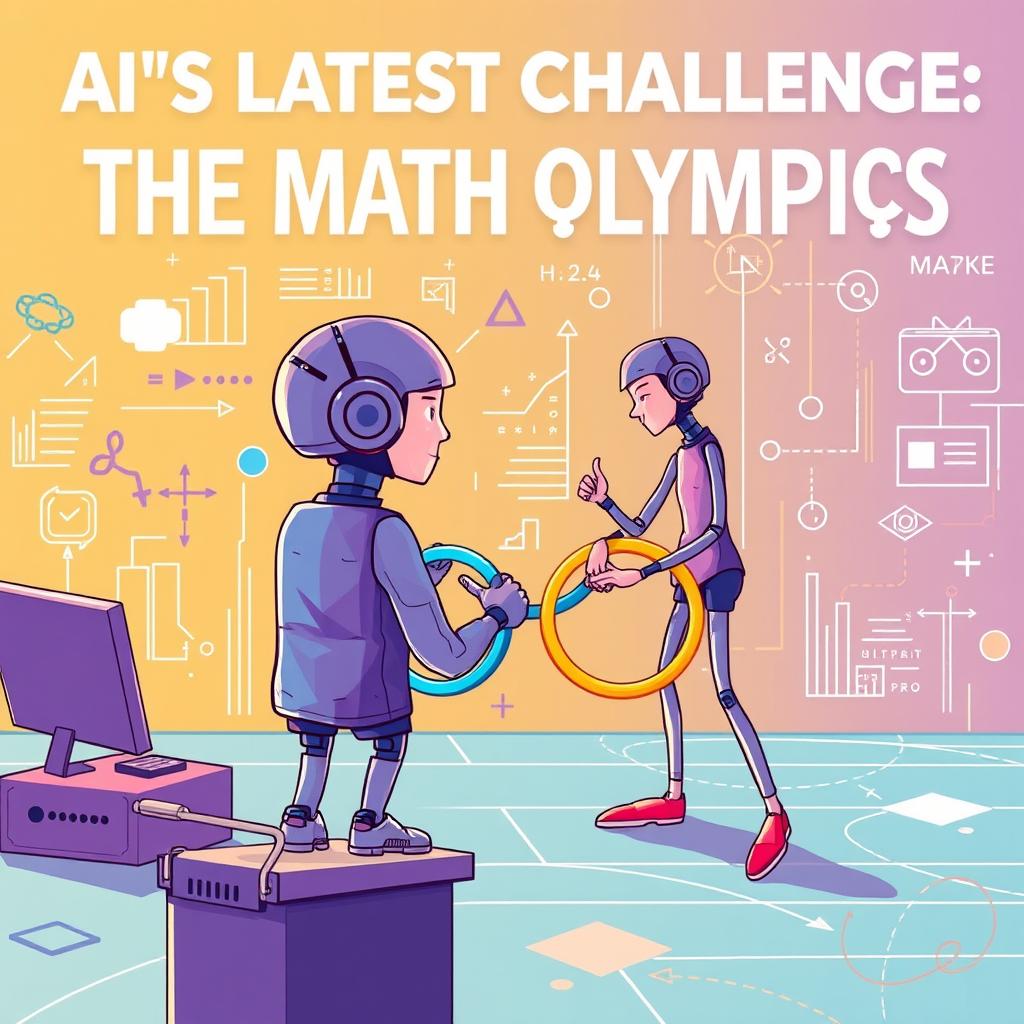
How A I S Latest Challenge The Math Olympics works in practice
And that’s why the format pulls in students, teachers, and casual puzzle fans alike. You can feel the tension in the first minute. One person leans over the desk, tapping a pencil. Another stays oddly still, which, honestly, is usually a good sign. The challenge rewards people who can spot a shortcut without guessing.
Think of it like logic games meeting a sprint. Some questions are straight arithmetic, the kind that look harmless until you lose five seconds on a basic step. Others hide a pattern, and that’s where pattern recognition matters. If you’ve ever solved a puzzle by seeing the shape of the problem first, you already understand the core of A I S Latest Challenge The Math Olympics.
There’s also a judgment call in every round. Do you solve exactly, or do you use an estimate to move faster? In my experience, good competitors know when to pause and when to push. A neat little story: I once watched a student breeze through the first half, then freeze on a single fraction problem because he kept chasing perfection. He didn’t need perfection. He needed momentum.
So what kinds of skills actually carry over? Mental arithmetic helps, sure. But so does reading carefully, because many mistakes come from missing one word, not from bad math. A phrase like “least,” “difference,” or “twice” changes everything. That’s the boring part, and also the part that wins rounds.
And then there’s practice design. People often drill random problems for an hour and wonder why they stall out. Better to train in short bursts, mixed by topic. Ten division problems. Five sequence questions. A few word problems. Then review every miss. That’s how the brain starts spotting the same structures faster the next time.
What I've noticed is that Khan Academy style explanations can help with weak spots, but only if you use them like a tool, not a crutch. Wolfram Alpha can also be useful for checking work after the fact, especially if you want to see where a method went off the rails. And if you’re comparing your pace with a group, Google Sheets is a simple way to track errors and time. Plain, useful, no drama.
Yet the challenge isn’t only technical. It’s emotional. People tense up when they see others finish early, and that can trigger sloppy work. I’ve seen solid solvers become careless just because the room felt loud. So you need a routine. Same posture. Same pen. Same first breath before the timer starts.
The smartest approach is usually not the fanciest one. Start with the questions you can answer in one step. Build confidence, bank time, then move into the harder ones. That’s the rhythm. That’s the win. And if a problem starts looking like a trap, maybe it’s. Don’t wrestle every question into submission. Choose the battle.
A I S Latest Challenge The Math Olympics also tests how well you recover. Miss one, and the next question can’t turn into a second disaster. That’s the difference between strong and shaky performance. Honestly, a lot of people lose not because they’re slow, but because they let one wrong answer linger too long.
If you want a simple mental frame, use three checks: understand the question, choose the quickest valid method, then verify the answer only if time allows. Three beats. Not six. Not twelve. Clean and repeatable. That’s what makes the format feel fair, even when it’s tough.
✅ Advantages
A I S Latest Challenge The Math Olympics has a few clear strengths. First, it builds real speed, not just memorized answers. That matters in school, work, and everyday decisions where quick judgment helps. Second, it exposes weak spots fast, which is useful if you want better test preparation. Third, the format can be genuinely motivating, because each round gives instant feedback. You know right away whether your method worked.
And there’s a social upside too. People compare strategies, swap shortcuts, and learn from each other. In my experience, that makes practice feel less like drudgery and more like a game. If you like competitive learning, this challenge gives you a clean scoreboard and a reason to keep improving.
⚠️ Disadvantages
A I S Latest Challenge The Math Olympics can also be frustrating. Speed pressure can push people into careless mistakes, and one tiny slip often counts more than a thoughtful process. That’s rough if you’re better at deep thinking than fast recall.
But the bigger problem is overtraining the wrong way. If you only chase faster times, your accuracy can sink. I’ve seen people memorize tricks without understanding them, then fall apart when the question changes slightly. And honestly, the format can reward confidence a little too much. Fast guesses sometimes look better than careful work.
So if your style is methodical, the challenge may feel unfair at first. It’s not impossible. It just asks you to adapt.
How to Get Started
2. Start with easy arithmetic, then move to problem solving and mixed word questions.
3. Time each set, but don’t chase speed on day one.
4. Review every miss and write the mistake type, not just the answer.
5. Repeat the same core drills for a week before changing them.
6. Add one tougher set after you’re steady with the basics.
7. If possible, compare your results with a friend or teacher, because a second pair of eyes catches patterns you’ll miss.
What I've noticed is that a simple notebook helps more than fancy tools. Track the question type, the error, and the time. That’s enough to show progress.
Frequently Asked Questions
It’s a timed math challenge focused on accuracy, speed, and pattern recognition. The problems usually mix arithmetic, logic, and quick decision-making.
Who does well in it?
People who stay calm, read carefully, and practice short timed sets usually do well. If you like mental math, you’ll probably enjoy it more than most.
How do I get faster without becoming sloppy?
Use short drills, review mistakes, and learn a few repeatable methods. Speed should grow from accuracy, not replace it.
Is it only for students?
No. Teachers, puzzle fans, and adults who enjoy brain games can all get value from it. In my experience, the appeal is pretty broad.
Can tools help?
Yes. A calculator is usually for checking, while learning tools like Khan Academy can help you fix weak spots. The key isn’t to depend on tools during the timed part.
Final Thoughts
And if you’re serious, start small this week. Ten minutes. One timer. One review sheet. Then adjust. Small gains stack fast, especially when the problem types start repeating. What’s your first target, faster time or cleaner accuracy?