Overview
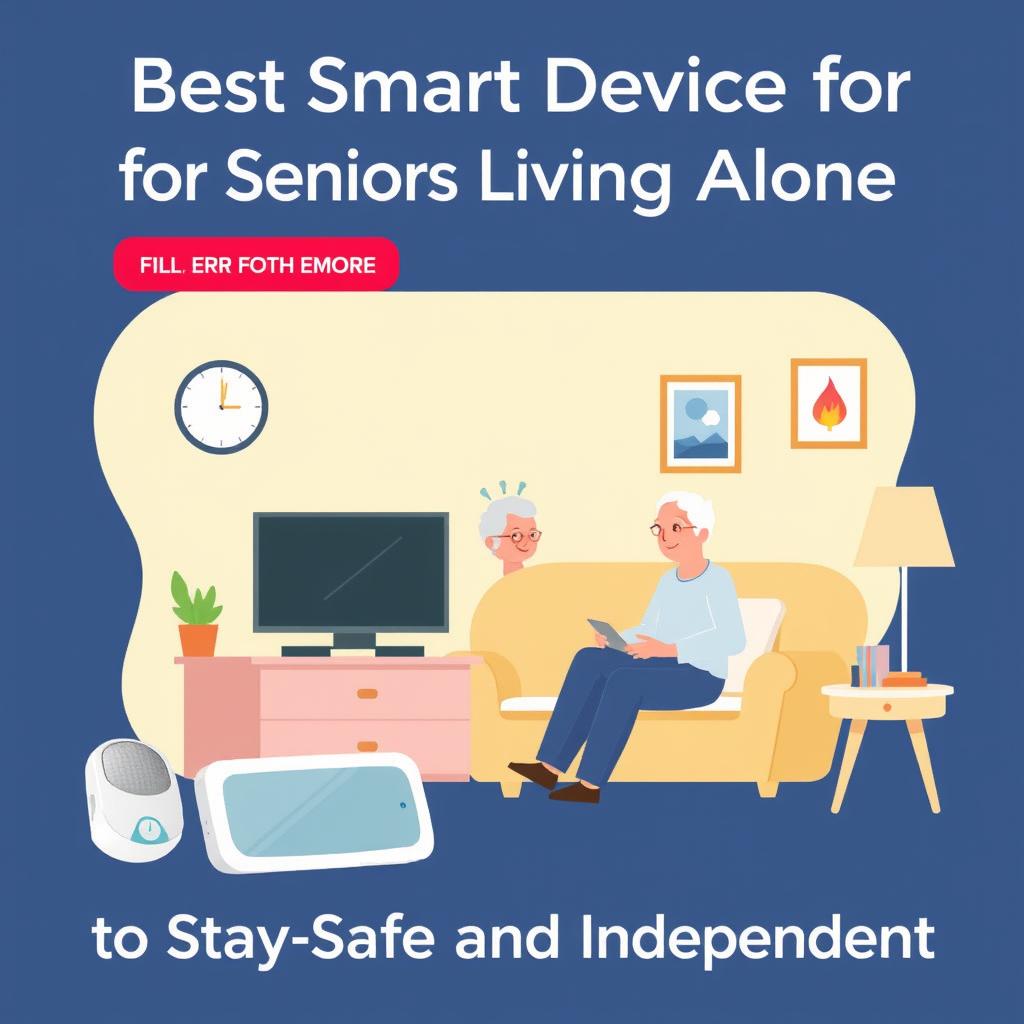
Smart picks for safer, easier solo living
And the second piece is communication. A Amazon Echo or Google Nest speaker can answer questions, make calls, set reminders, and control lights with a simple voice command. That’s huge for anyone with shaky hands, low vision, or plain old fatigue. In my experience, older adults often use these devices most for small things: “Call my daughter,” “What’s the weather?”, “Remind me at 3 p.m. for pills.” Small asks. Big payoff.
But don’t overload the house. One smart speaker, one alert device, and a few connected lights are enough to start. Honestly, that’s where many families go wrong. They buy a doorbell camera, a thermostat, a hub, a smart lock, and a fridge sensor all at once. Then nobody knows which app does what. Confusion kills adoption. Simple wins.
A video doorbell can be useful too, especially for seniors who don’t want to rush to the door or worry about unexpected visitors. It lets them see who’s there before opening up. Add a smart lock only if the person is comfortable with phones or codes, because the wrong lock can create more trouble than it solves. I’ve seen people love the doorbell and hate the lock. That’s not a failure, it’s just a fit issue.
Lighting matters more than most people think. Bright hallways, bathroom night lights, and motion-activated lamps cut down on trips and falls. If you’ve ever stumbled into a dark kitchen at 2 a.m., you already get the point. Yet this is one of the cheapest upgrades, and it often has the biggest impact. Pairing lights with motion sensor technology means the room comes alive before a foot hits the floor.
Health monitoring can help, but keep the focus narrow. A smart blood pressure cuff, a pulse oximeter, or a simple medication reminder system can support routines without turning the home into a clinic. What I've noticed is that too much tracking can feel like a job. One person I know loved her pill reminder, then stopped using the smartwatch because it buzzed about everything, all day. She didn’t need more data. She needed less noise.
And think about family access. Some systems let adult children check in remotely, get alerts, or verify that a medication reminder was acknowledged. That can bring peace of mind, but it should never feel like surveillance. The senior has to stay in control. Otherwise, trust evaporates fast.
Internet reliability matters too. A smart home is only as good as its connection. If Wi‑Fi drops every evening, choose devices that still work locally or keep an offline backup, like a landline or a cellular alert device. Frankly, a sturdy backup plan is more useful than the fanciest feature list.
So what should you actually buy first? For most homes, the best starting trio is a medical alert device, a smart speaker, and smart lighting. That combination covers emergencies, daily reminders, and safer movement around the house. After that, add only what solves a real pain point. Need help at the door? Add a video doorbell. Forget pills? Add a dedicated pill dispenser. Trouble hearing alerts? Add louder speakers and flashing lights.
And yes, the user’s comfort level beats the specs sheet every time. A device can be “best” on paper and still be useless if the person won’t charge it, tap it, or remember the app. I once watched a neighbor proudly install six gadgets for his mother, only to find she kept using the old clock radio and the sticky notes on the fridge. Not elegant. Very effective.
The best smart devices for seniors living alone are the ones that blend into daily habits. They should save steps, reduce fear, and make help easy to reach. If the system feels like a burden, it’s the wrong system. Wouldn’t you rather have three reliable tools than ten forgotten ones?
✅ Advantages
The biggest advantage is peace of mind, plain and simple. Best Smart Devices For Seniors Living Alone Stay Safe And Independent can help a senior feel less isolated and help family members worry less. A fall alert, a voice assistant, and smart lighting can cover a lot of everyday risk without making the home feel medical.
They also support independence. That matters. When someone can turn on lights, hear reminders, or call for help without hunting for a phone, they keep more control over their day. And control is dignity. Honestly, that’s the real win. Many devices are easy to install, and some work right out of the box with iPhone or Android phones.
⚠️ Disadvantages
The downside is complexity. Even the Best Smart Devices For Seniors Living Alone Stay Safe And Independent can become frustrating if the apps are confusing or the setup is rushed. Battery charging, Wi-Fi drops, and updates can all create headaches.
There’s also cost. A few smart tools are affordable, but a full setup can get expensive fast. And if the senior doesn’t like technology, the devices may sit unused on a shelf. In my experience, the wrong device is worse than no device, because it creates false confidence. Privacy is another concern. Cameras and shared alerts need clear boundaries, or family support can start to feel invasive.
How to Get Started
Frequently Asked Questions
A: Start with a medical alert device, a smart speaker, and smart lights. That mix covers emergencies, reminders, and safer movement.
Q: Do seniors need a smartphone?
A: Not always. Many devices work with voice control or a simple base station. But a smartphone can help with setup and alerts.
Q: Are cameras a good idea?
A: Sometimes. A video doorbell can be helpful, but indoor cameras should only be used with clear consent.
Q: What if the senior hates tech?
A: Choose fewer devices, use big buttons, and keep the setup boring on purpose. Frankly, boring is good here.
Q: Should family members control everything?
A: No. Support is better than control. The senior should always know what’s being monitored and why.