Overview
Cloud Seeding, Floods, and What the Evidence Really Shows
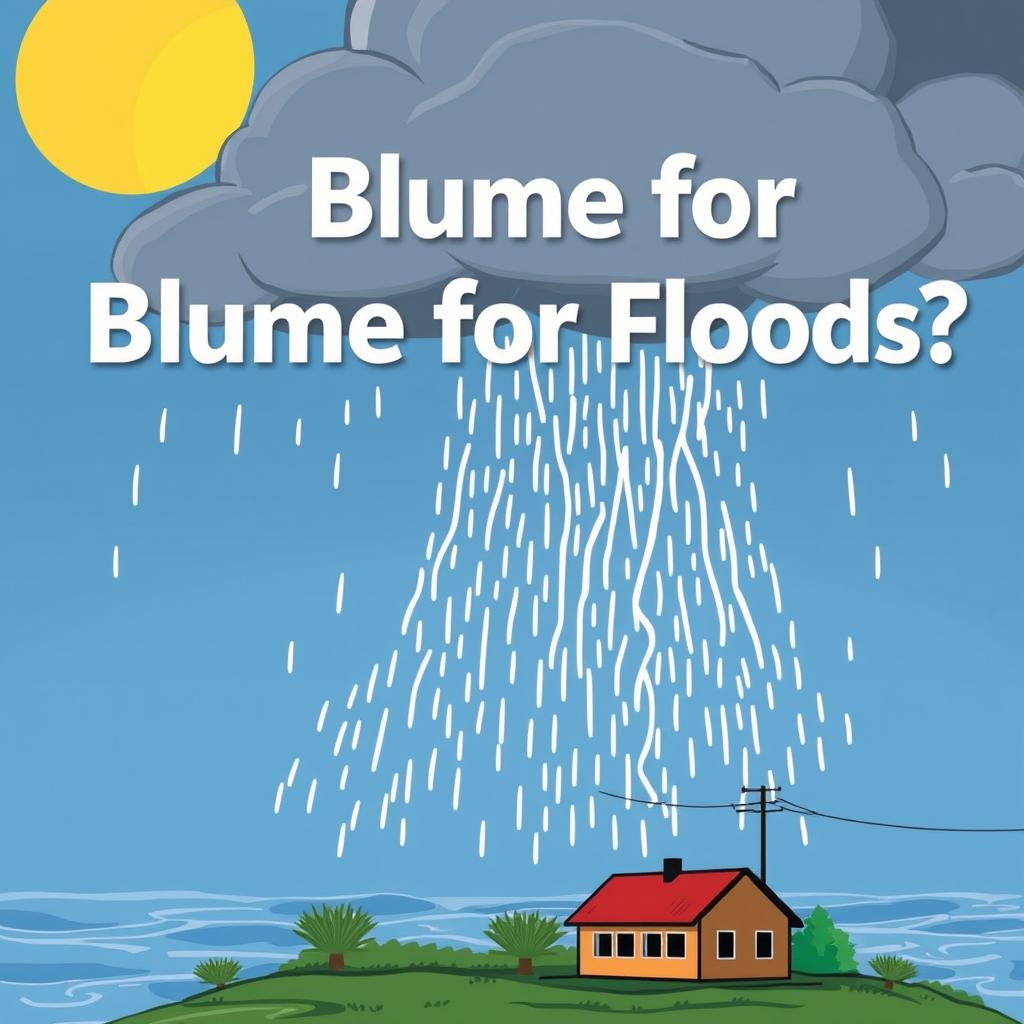
And that distinction matters. A flood needs a lot more than a seeded cloud. You need strong moisture flow, saturated land, bad runoff, low-lying terrain, clogged drains, or a storm that just won't move. In my experience, people often blame the most visible human action because it's easier than tracking a slow-moving storm over three states. The weather, frankly, doesn't care about our drama.
Most of the public confusion comes from timing. If a cloud-seeding operation happens before a big rain event, people connect the two and draw a straight line. Yet correlation isn't causation. A Tuesday morning flight over a mountain range can look suspicious when the river rises that night, but the river may have already been headed there because the forecast showed days of moisture buildup.
Here's the practical truth. Cloud seeding can sometimes increase precipitation in a targeted area, but the effect is usually modest and depends on cloud type, temperature, wind, and timing. It works best when there are already suitable storm clouds overhead. What I've noticed is that critics often imagine it as a giant hose in the sky. It isn't. It's a nudge. Sometimes a useful one, sometimes barely measurable.
And that makes the flood question more specific than most people think. Could seeding slightly alter where rain falls inside a storm system? Possibly. Could that tiny change, under rare conditions, help nudge an already dangerous basin toward more runoff? In theory, maybe. But that’s very different from saying cloud seeding caused the flood. For that claim, you'd need strong evidence, not a viral clip.
Scientists and weather agencies usually look for a chain of proof. They check radar, cloud chemistry, aircraft paths, ground observations, and rainfall totals before and after the operation. They also compare similar storms with no seeding. That kind of review is slow, detailed work. It doesn't fit a social media post, which is one reason these debates get loud fast. Honestly, the loudest claim is rarely the strongest one.
One useful way to think about it’s this: cloud seeding can influence opportunity, but floods come from conditions. If the ground is already soaked, a few extra millimeters can matter. If a watershed is steep, narrow, or urbanized, water moves fast no matter who tinkered with the clouds. storm water systems, land use, and river management often play a much bigger role than a seeding flight. That's the part people skip.
There’s also a political angle. When a flood hits, communities want a clear cause. A simple villain feels better than messy meteorology. So cloud seeding becomes a target, especially if officials used it recently or talked about it publicly. But public suspicion doesn't prove guilt. If anything, it shows how badly we need better explanations from meteorologists and local agencies.
The National Weather Service usually emphasizes the same point: weather modification isn’t a magic flood button. It's a limited intervention used in specific contexts like drought support or snowpack management. In my experience, the more serious conversation is about transparency. If a region uses cloud seeding, people should know when, where, and for what purpose. Secrecy feeds panic. Clear records calm it down.
Still, the question shouldn't be mocked. People ask it for a reason. If a local river jumped its banks after a seeding program, the timing deserves scrutiny. A fair review can test whether the operation had any real effect. But the burden of proof is high, and it should be. Floods are too important for guesses, and cloud seeding is too small a tool to carry the blame by default.
So what should you watch for? First, the scale of the storm. Second, the land conditions before the rain. Third, whether the seeding was even aimed at the same area that flooded. And fourth, whether experts have actually reviewed the data. That order matters. The weather story usually starts long before a plane ever leaves the runway.
✅ Advantages
Cloud seeding has a few real upsides when it’s used carefully. It can help squeeze a bit more precipitation from suitable clouds, which matters in dry regions, mountain watersheds, or snowpack programs. That extra water can support reservoirs, farms, and seasonal runoff. It may also help weather managers make better use of rainfall patterns during drought stress.
And here’s the thing, people often ignore the planning side. In a water-short year, even a small gain can matter. I’ve seen local officials treat it like a backup plan, not a miracle. That’s the healthy mindset. When paired with clear public reporting and environmental monitoring, cloud seeding can be one tool among many, not the whole strategy.
⚠️ Disadvantages
The biggest downside is confusion. Cloud seeding can look suspicious to the public, especially when a flood follows soon after. That fuels conspiracy thinking and distracts from real causes like saturated soil, storm stalls, and bad drainage. It can also be hard to measure, because weather is noisy and local.
And there are practical limits. It only works in certain cloud conditions, so the results aren’t guaranteed. Some programs also face concerns about oversight, public trust, and environmental impact, even when the science is cautious. Honestly, the problem is often not the seeding itself, but the gap between what people think it does and what it actually can do. That gap gets wide fast during a disaster.
How to Get Started
2. Check the weather setup first. Look at rainfall totals, storm duration, river levels, and whether the ground was already soaked. A seeded cloud is only part of the picture.
3. Find the official records. Local weather agencies, water districts, or state programs should have dates, flight paths, and target areas. Transparency helps cut through noise.
4. Compare timing, not just headlines. A flood after seeding doesn’t prove causation. You need radar, forecasts, and post-storm analysis.
5. Ask what experts said. Meteorologists, hydrologists, and public agencies can explain whether the seeding likely mattered at all. I’d trust that over a viral clip any day.
6. Keep a simple rule in mind: if the storm was already dangerous, cloud seeding is rarely the main story.
Frequently Asked Questions
A: No. It can only work on clouds that already exist, and floods usually need much bigger weather and land conditions.
Q: Why do people blame it so fast?
A: Timing. If seeding happens before heavy rain, it looks suspicious. But timing alone isn’t proof. What I’ve noticed is that the simplest story spreads fastest.
Q: Is weather modification always safe?
A: It’s generally treated as a limited tool, but every program should be reviewed, disclosed, and monitored.
Q: Who checks whether it had an effect?
A: Meteorologists, hydrologists, and public agencies look at radar, rainfall, and storm structure. NOAA and similar groups are often part of that broader scientific conversation.
Q: What’s the best first step if a flood happens after seeding?
A: Gather the official data before making claims. Otherwise, you’re guessing in the dark.