Overview
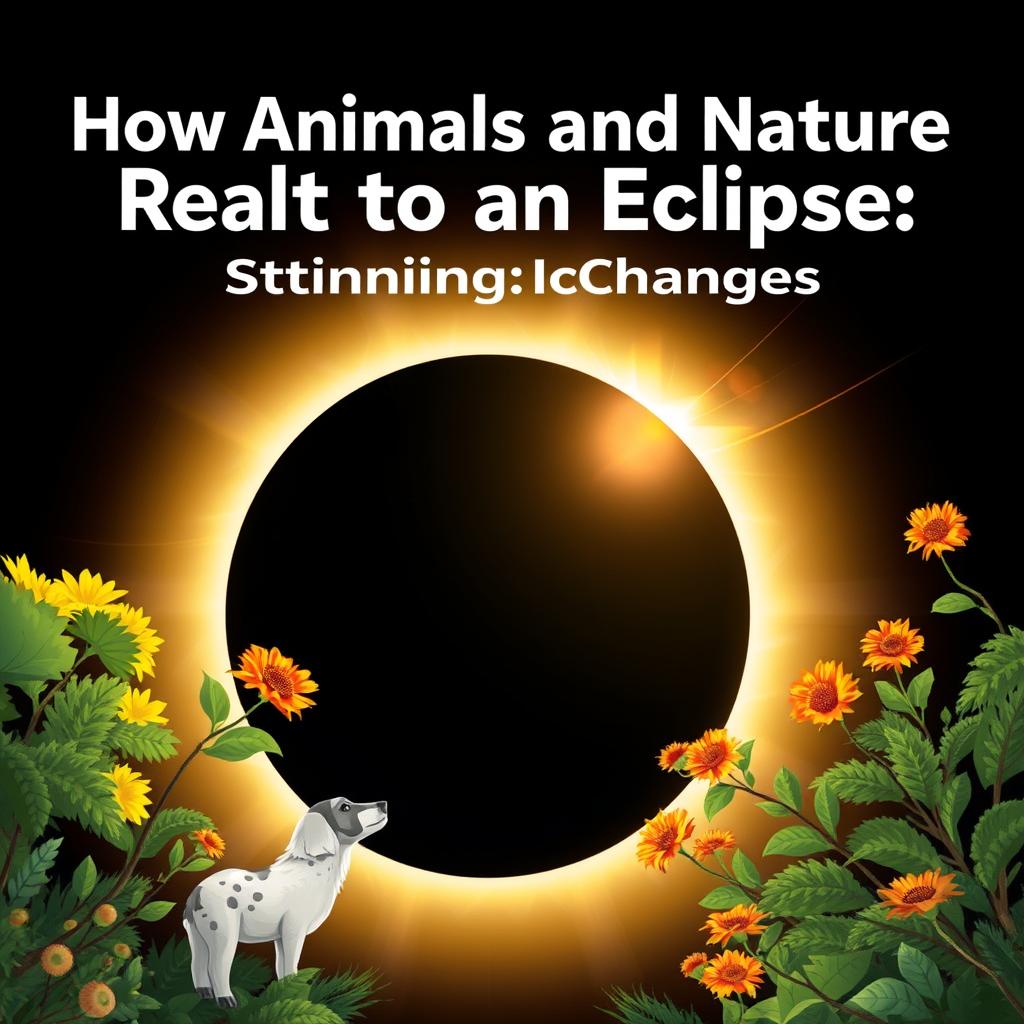
How Animals And Nature React To An Eclipse Across Species and Landscapes
Birds are the easiest to notice. Many songbirds quiet down, stop feeding, or head toward their sleeping spots when the sky darkens. Flocks may get oddly restless, then settle again once the sun returns. Some owls can even become more active, which makes sense because their hunting window has suddenly expanded. That doesn't mean every bird reacts the same way, though. A crow on a city rooftop and a heron by a marsh won't read the moment the same way. Different habitats, different scripts.
And insects are a different story entirely. Crickets, cicadas, and bees often respond to the light change as if evening has started early. Some species go silent. Others pause flight. In a meadow, that silence can feel dramatic, almost theatrical. Honestly, the first time I heard a field go quiet during an eclipse, it felt like someone had turned down the volume on the whole world. But the science is pretty grounded: many insects use daylight as a daily clock.
Mammals usually react more subtly. Cows may drift back toward barns. Deer can grow alert, then settle. Pets might act confused, especially if they rely on routine feeding and outdoor cues. And in animal behavior, the biggest factor is often familiarity. A dog in a backyard may seem unconcerned, while the same dog in a strange park could pace and sniff more than usual. Smithsonian Magazine has covered how field observers have seen these shifts over time. It’s not magic. It’s pattern recognition.
Plants are quieter, but they still respond. Flowers that open and close with the day can begin to fold back if the eclipse is deep enough. Leaves don't always move in dramatic ways, yet the reduced light can still interrupt normal photosynthesis for a short stretch. That matters less during a brief eclipse than during a stormy afternoon, of course, but the signal is real. Nature reads light like a clock.
So why do some animals barely react? Because an eclipse isn't the same as night. The drop in brightness is temporary, and the air may still feel like day. Many animals are tuned to more than one cue, light, temperature, sound, smell. If only one cue changes, they may hold steady. What I've noticed is that the more urban the setting, the weirder the reaction can look. City birds often live by different rules than wild birds do. Curious, right?
There’s also a second layer people miss: the crowd effect. During a public eclipse, human noise can change the animals' behavior almost as much as the shadow itself. A quiet field and a cheering park don't produce the same response. Frankly, that’s why eyewitness reports can conflict. One person sees stillness, another sees agitation. Both can be true.
If you're watching an eclipse outdoors, the best observations are simple. Look for changes in sound, feeding, flight, and shelter-seeking. Take notes before the sky goes dark, not after. Then compare what happened at first contact, maximum eclipse, and the return to normal daylight. That's where the pattern shows up. And if you've ever wondered whether nature "knows" what's coming, the answer is yes, but only in pieces. It knows enough to react, not enough to explain why.
✅ Advantages
Watching How Animals And Nature React To An Eclipse gives you a rare, real-time look at wildlife reactions under pressure. You can spot patterns that usually hide in plain sight, like birds changing roosting habits or insects going quiet at midday. That makes eclipses useful for casual observers, teachers, and field naturalists. Honestly, it’s one of the few science events where a backyard, a notebook, and a little patience are enough. And because the shift is fast, the contrast is easy to see. You don’t need fancy gear. You just need to pay attention.
⚠️ Disadvantages
How Animals And Nature React To An Eclipse can be easy to overread. A quiet bird isn’t always "acting strange," and a restless dog isn’t proof of anything mystical. Human noise, weather, and location can muddy the picture fast. In my experience, the biggest mistake is assuming every species reacts the same way. They don’t. And a short eclipse may be too brief for some animals to show much at all. So the scene can disappoint if you expect a dramatic wildlife show. Sometimes nature barely blinks.
How to Get Started
Frequently Asked Questions
Q: Why do birds get quiet?
A: Many birds follow light cues. When the sky darkens, they may think evening is coming and shift into resting behavior.
Q: Can an eclipse hurt animals?
A: A normal eclipse doesn’t usually harm wildlife. The main effect is temporary behavior change, not injury.
Q: Do plants react too?
A: Yes, some do. Flowers and leaves that track day and night can respond to the sudden drop in light.
Q: What’s the best way to observe reactions?
A: Stay quiet, take time-stamped notes, and compare behavior before, during, and after the eclipse. That’s where the real pattern shows up, isn’t it?