
Overview
Bad Website Design Costs Your Business More Than You Think
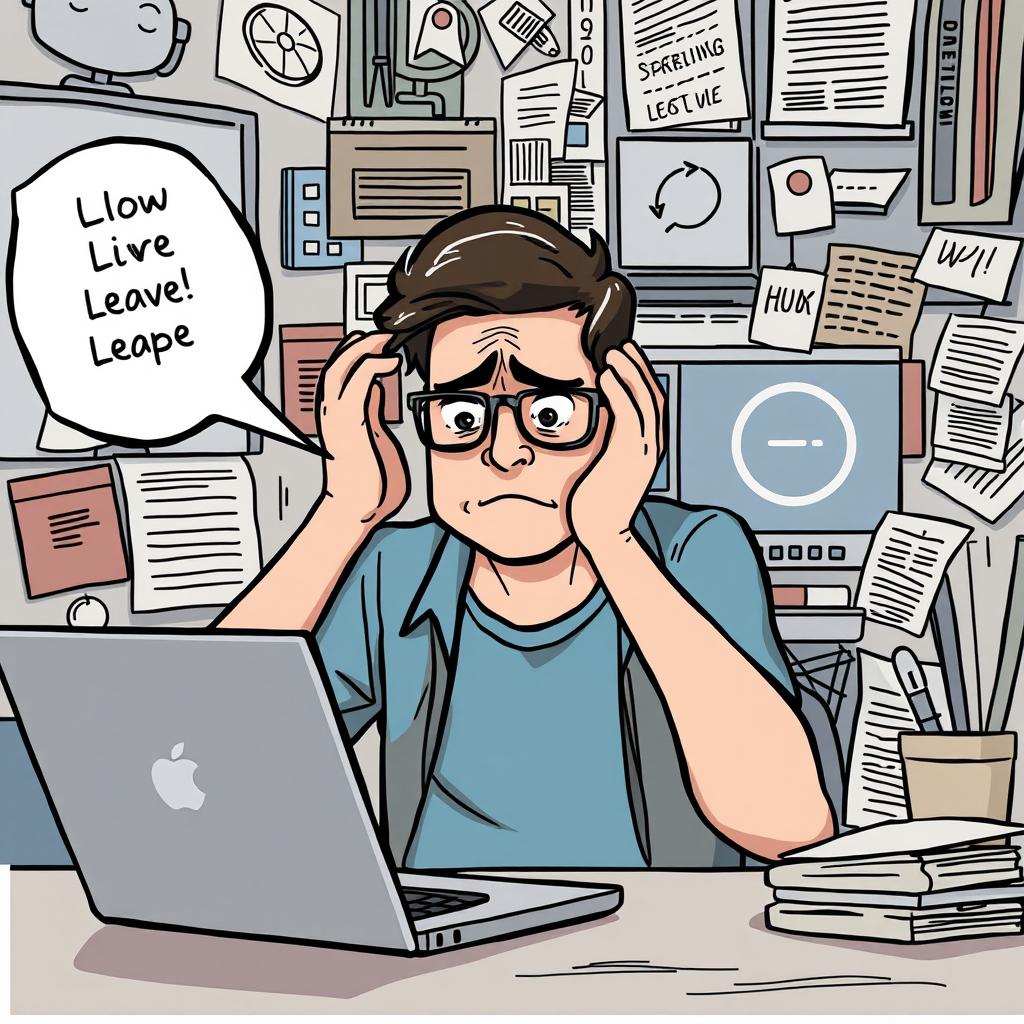
First, design shapes first impressions. If a visitor lands on a page with crowded text, weak contrast, or a confusing menu, they start doubting the business behind it. In my experience, people don't separate the website from the company. The site is the company, at least for that first minute. And if that minute feels rough, they leave.
That leaves money on the table. A visitor who can't find pricing, a contact form, or product details often bounces before taking any action. What I've noticed is that buyers rarely complain about "bad design" in those words. They just stop clicking. They leave, compare you with a cleaner competitor, and move on.
Bad design also hurts mobile usability. A site that looks fine on desktop but falls apart on a phone is a real problem, because many customers browse on mobile first. Buttons get too small. Text gets cramped. Forms become annoying little chores. And one annoying form is enough to lose a lead on a Tuesday morning.
Then there's speed. Slow pages make people wait, and waiting feels like effort. According to Google, users expect fast load times, and slow sites often lose more visitors. I once watched a small retailer fix a bloated homepage and watch support emails drop within days. Same products. Same prices. Better experience. Funny how that works, right?
Search visibility can suffer too. Search engines pay attention to user signals such as time on site, bounce behavior, and structure. If your pages are hard to crawl or poorly organized, SEO strategy gets weaker. That doesn't mean design alone controls rankings, but ugly structure can still bury good content. And buried content doesn't sell.
There’s another cost people miss: brand damage. A site that feels outdated or sloppy can make a modern business look behind the curve. That's especially rough for service companies, consultants, and local businesses where trust matters more than flashy features. Frankly, if your site looks like it hasn't been touched since a flip phone was cool, customers notice.
The damage doesn't stop at the sale. Bad design increases support work because visitors can't find answers. They email. They call. They ask the same three questions over and over. That eats time and makes the business feel less organized than it really is. A better conversion rate often starts with fewer dead ends.
And here's the contrarian part. Some owners think a "simple" site is automatically better. Not always. Simple is good when it helps people act fast. But plain, outdated, or inconsistent design can make a business look cheap, even if the service is excellent. I've seen a one-page site with clear calls to action outperform a prettier but cluttered one, yet I've also seen that same minimalist look fail when it lacked trust signals like reviews, contact details, and real photos.
Bad design can also create accessibility problems. If color contrast is weak, headings are messy, or keyboard navigation breaks, some visitors can't use the site well at all. That isn't just a technical issue. It's a business issue. You lose customers you never even knew were there. And yes, some of them will go straight to a competitor whose site feels easier from the start.
So, what Negative Effects Does A Bad Website Design Have On My Business? It can reduce sales, weaken trust, hurt search visibility, raise support costs, and make your brand feel smaller than it’s. The effects stack up. One small problem becomes three. Three become ten. Then the site starts dragging on every part of growth.
If you're wondering where to look first, start with the basics: speed, clarity, mobile layout, and simple navigation. Those four things usually reveal the biggest pain points fast. Fixing them won't magically save a weak offer, but it will stop your website from getting in the way. And that alone can change the numbers.
✅ Advantages
A better website design has some clear business wins. It makes user experience smoother, which helps visitors find what they need without thinking too hard. That matters because people don't reward effort, they reward ease. Honestly, the biggest advantage is simple: fewer drop-offs and more trust.
Good design also supports mobile usability, which is huge when shoppers compare options on a phone. And when your pages load quickly, your site feels more professional before anyone reads the copy. Add clear calls to action, and the path to contact or purchase gets shorter. In my experience, that short path is where the money lives.
⚠️ Disadvantages
The main downside of bad design is that it creates friction everywhere. Visitors get confused, sales teams get fewer leads, and support staff spend more time answering basic questions. That's a lot of waste from one weak site.
It can also damage search rankings and make your brand seem less credible than competitors with cleaner layouts. And if the site isn't accessible, some users can't complete basic tasks at all. Frankly, that means you're not just losing traffic, you're losing trust you may never see again. One messy homepage can echo across the whole business.
How to Get Started
1. Test load speed with a simple browser check.
2. Review the site on mobile and desktop.
3. Remove clutter from menus and banners.
4. Make headings clear and easy to scan.
5. Add trust signals like reviews, contact info, and real photos.
6. Check accessibility basics such as contrast and button size.
And don't try to fix everything at once. Start with the page that gets the most traffic. What I've noticed is that one good cleanup often reveals the next three.
Frequently Asked Questions
Can bad design affect sales even if the product is good? Yes. A great offer can still lose if the site feels confusing or unreliable. People buy the experience as much as the product. That's the annoying truth.
Does design matter for SEO strategy? It can. Poor structure, slow load times, and weak mobile use can make it harder for search engines and users to work with your pages.
What should I fix first? Start with speed, mobile layout, and navigation. Those three often give the fastest return.
Should I redesign everything? Not always. Sometimes a few targeted fixes beat a full rebuild, especially when the content is already strong.
Final Thoughts
Start with the page people see first, then move to website performance and mobile flow. If your site feels clear, fast, and credible, the business often follows. And if it doesn't, now you know where the leak is. What would happen if your next visitor stayed instead of leaving?