Overview
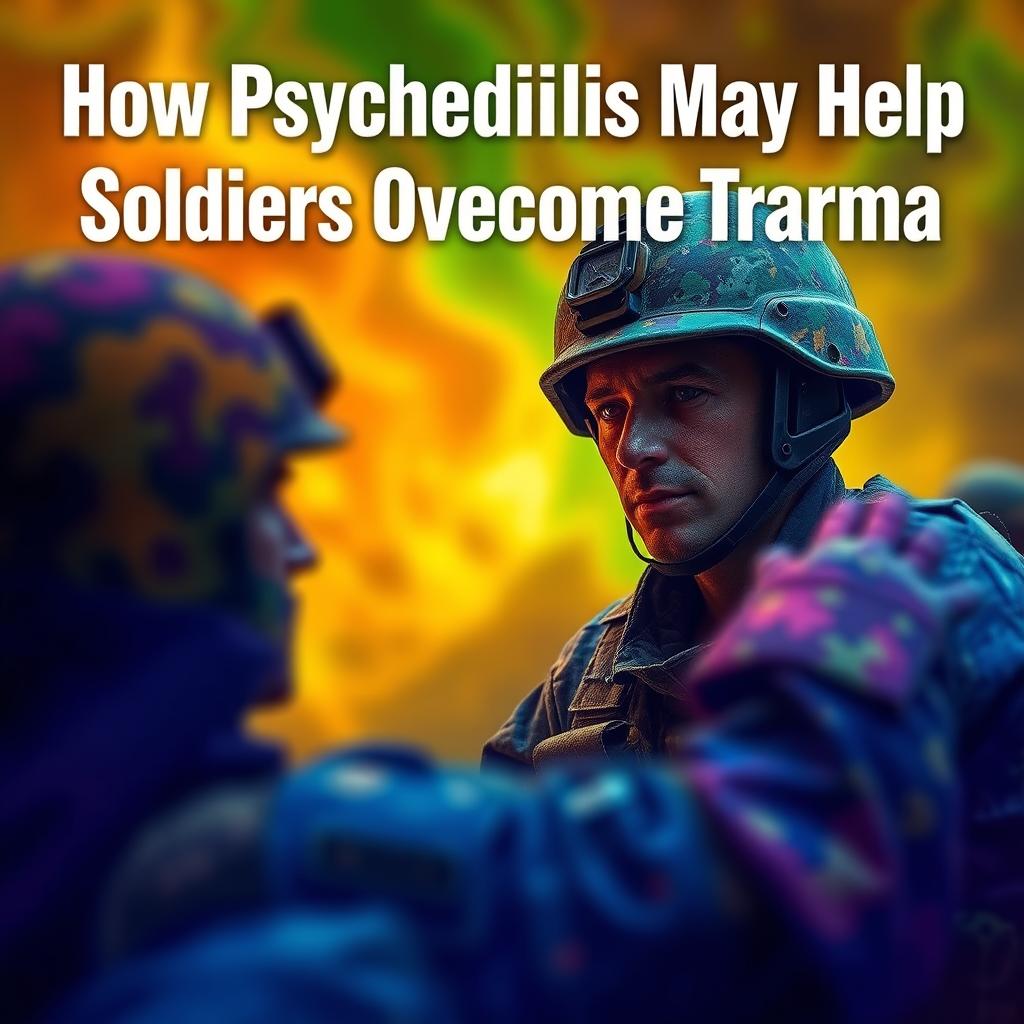
How Psychedelics Could Help Soldiers Overcome Trauma in modern care
The substances getting the most attention are psilocybin, MDMA, and, to a lesser extent, ketamine. Psilocybin is the compound in certain mushrooms. MDMA is often discussed because it can reduce fear and increase trust during therapy sessions. Ketamine works differently, but it's also being studied for depression and trauma-related symptoms. What I've noticed is that people lump them together too quickly. They're not the same drug, not the same experience, and not the same risk profile.
The key idea isn’t "take a drug and get better." That's sloppy thinking. The model is therapist-supported treatment, usually with careful screening, preparation sessions, a monitored dosing day, and follow-up therapy afterward. Without that structure, the whole thing loses its value fast. And yes, that structure matters more than the compound itself.
A soldier with trauma may avoid a memory for years. A guided psychedelic session can sometimes make that memory feel less threatening, at least long enough to talk about it honestly. That window may help someone connect facts, feelings, and bodily reactions in a way regular talk therapy can't always reach. Frankly, that's why the topic keeps coming back. Not because it's trendy. Because some people run out of options.
There’s a practical reason researchers are interested. PTSD can be stubborn. Some people respond well to established treatments like cognitive behavioral therapy, prolonged exposure, or EMDR, but others don't. That's where new approaches earn attention. If a person has tried several therapies and still can't sleep, can't relax, and can't stop reliving the worst day of their life, a new tool suddenly sounds less exotic and more necessary.
Still, the setting is everything. Psychedelic experiences can be intense, emotional, and unpredictable. A veteran might feel relief one moment and panic the next. That’s why trained therapists, medical screening, and a calm environment are part of the model. In practice, the room matters almost as much as the medicine. Honestly, a bare clinic chair and a clipboard won't cut it.
There’s also a nervous system piece that people overlook. Trauma can keep the body stuck in threat mode. Heart racing. Muscles tight. Sleep shattered. Psychedelic-assisted therapy may help reduce avoidance and help people process memories with less defensive armor. That doesn't mean the trauma disappears. It means the person may finally be able to work with it instead of around it.
But let's be clear about limits. These treatments aren't approved as a free-for-all solution for combat trauma, and they shouldn't be treated like wellness products. Legal access remains narrow, research is still ongoing, and not every person is a good candidate. People with a history of psychosis, for example, may face higher risks. So the idea is promising, but it's not universal. Not even close.
A tiny story: I once heard a veteran describe therapy after years of silence as "standing outside a house I couldn't enter." That's the kind of stuckness researchers want to address. If a psychedelic-assisted session can help someone walk through that door with support, the change can feel dramatic. Yet the real win isn’t the trip itself. It's whether the person can keep making progress on a Thursday morning, long after the session is over.
Safety rules have to stay front and center. This isn’t about recreational use, party dosing, or self-experimentation. It’s about medical oversight, informed consent, and a clear plan for what happens if a session turns difficult. That includes screening for heart issues, psychiatric history, substance use concerns, and current medications. In my experience, the boring checklist is where good treatment starts.
There's also a broader policy question. If veterans' care systems adopt these therapies, who gets access first? How many therapists need training? How do clinics keep the quality consistent? And how do you keep hype from outrunning evidence? Those aren’t side issues. They’re the whole game.
Some people will still object on moral grounds. Others will worry that any mind-altering medicine sounds too risky for trauma work. Fair enough. But a contrarian thought: avoiding every difficult tool can be its own kind of cruelty when people are suffering for years. If a treatment is legal, carefully supervised, and genuinely helpful for some patients, ignoring it just because it feels strange doesn't help anyone. The better question is whether the benefits outweigh the harms for the right people, under the right conditions.
So the honest answer to How Psychedelics Could Help Soldiers Overcome Trauma is this: they may open a narrow but important path for people who haven't improved with standard care. That path needs trained professionals, strict rules, and much more research. It’s not magic. It’s medicine trying a new route around a very old problem.
✅ Advantages
The biggest advantage of How Psychedelics Could Help Soldiers Overcome Trauma is speed of insight. Some patients report that a few carefully supported sessions help them face memories they avoided for years. That can make trauma recovery feel less stuck. Another benefit is emotional openness, which may help psychotherapy work better afterward. What I've noticed is that people often need less persuasion when they finally feel safe enough to look at the wound. In the right setting, the session can create real momentum. And momentum matters.
⚠️ Disadvantages
The downsides are serious. Psychedelics can trigger panic, confusion, or a bad experience that leaves a person shaken. They’re also not right for everyone, especially people with certain psychiatric risks. Legal access is limited, and unsupervised use can go badly fast. Honestly, the biggest problem is hype. People hear a promising story and skip the boring parts: screening, trained support, and follow-up care. Without those, How Psychedelics Could Help Soldiers Overcome Trauma turns into a slogan instead of treatment.
How to Get Started
2. Ask whether conventional treatments have been fully tried first. Many people still benefit from standard care, and that path is often the safest starting point.
3. Check whether any psychedelic-assisted program is legal where you live and whether it’s tied to clinical research or a licensed medical setting.
4. Get screened for medical and psychiatric risks, including medications that could clash with treatment.
5. Prepare for the process, not just the session. Ask about preparation sessions, monitoring, and follow-up therapy.
6. Bring a support plan for aftercare. A quiet evening, a trusted contact, and no big decisions that day.
7. Be skeptical of anyone promising a cure. If it sounds too easy, it probably is.
Frequently Asked Questions
A: No. They may help some people process trauma, but they're not a cure and they don't replace therapy.
Q: Which substance is getting the most attention?
A: MDMA and psilocybin get the most discussion for trauma-related care, though ketamine is also part of the conversation.
Q: Is this legal for veterans right now?
A: Access is limited and depends on local law, research programs, and licensed medical settings.
Q: What makes the treatment work better?
A: Careful screening, a trained therapist, a controlled setting, and follow-up care. The session alone isn't enough.
Q: Who should avoid it?
A: People with certain psychiatric histories, unstable medical conditions, or anyone unable to stay in supervised care should be cautious and seek professional guidance first.