
Overview
Why adult adhd medication demand surged during lockdowns
I remember a friend, a project manager in his late 30s, saying he used to "borrow focus" from the people around him. Sounds odd, but it makes sense. In a crowded office, your day has friction. In a spare bedroom, with a laptop and a laundry basket, the brain gets every excuse to drift. Suddenly, remote work wasn't freedom for everyone. For some people, it was a magnifying glass.
The numbers tracked that shift. Prescriptions for stimulant medications rose in several countries, and adult demand became a bigger part of the picture. But here's the twist: a jump in prescriptions doesn't always mean a jump in new disease. It can also mean more adults finally got evaluated. adult adhd has long been underdiagnosed, especially in women, people with inattentive symptoms, and adults who were told for years they were just disorganized. Frankly, a lot of people were missed. Not "borderline" missed. Properly, repeatedly missed.
And telehealth changed the game. Fast. A person who might've waited six months for a specialist could sometimes get an appointment in a week. That convenience mattered, especially during lockdowns and the months after. But convenience cuts both ways. It can help the person who's been struggling since college, and it can also tempt rushed prescribing. That's the uncomfortable part nobody likes to say out loud.
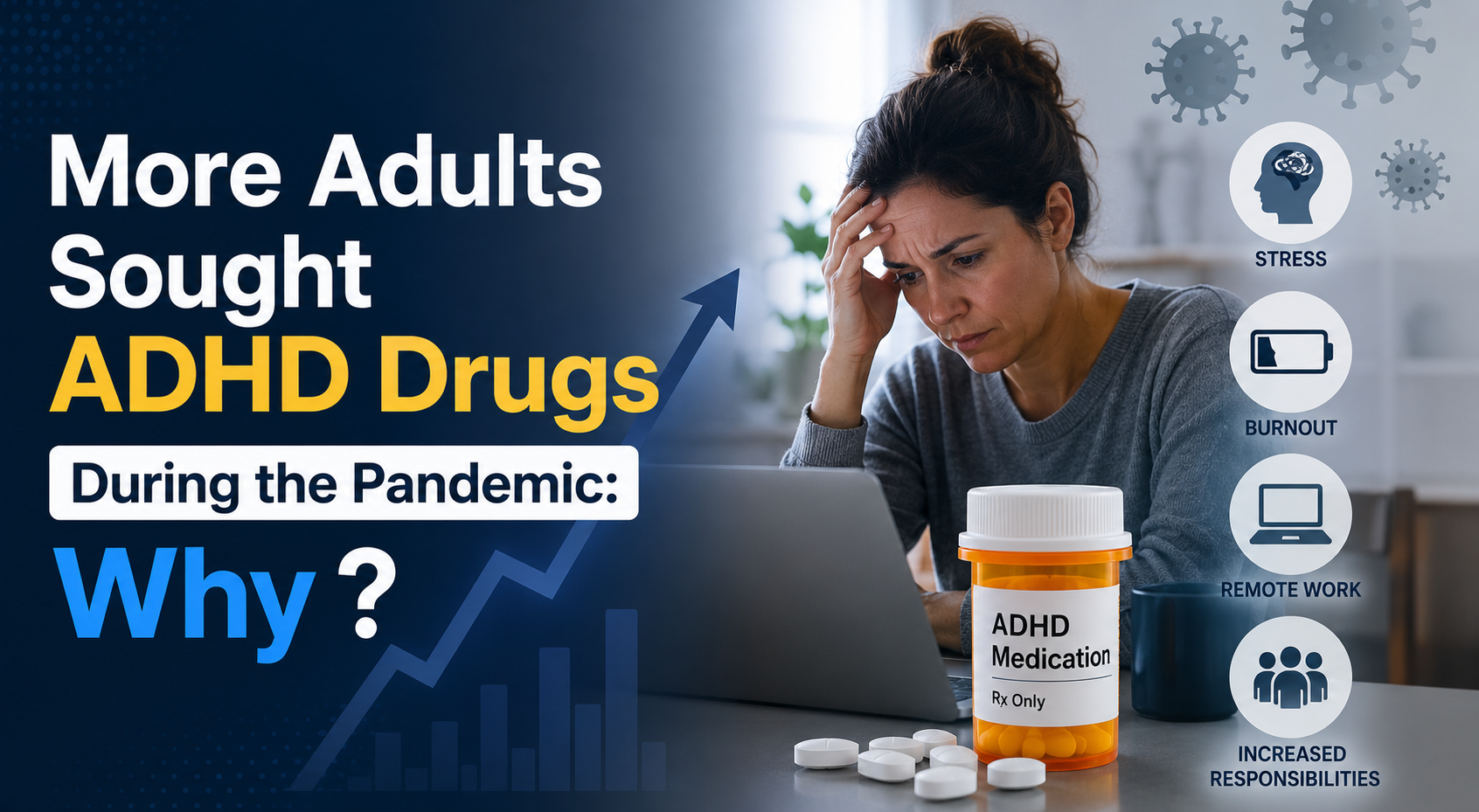
What drove people to seek help? Burnout, sure. But also structure loss, parenting chaos, grief, and the pressure to perform on screens all day. One mother told a reporter she only noticed her own symptoms when her kids were home all day and nobody could pretend the noise was normal. That rang true for a lot of families. When your calendar becomes a blur, the cracks in attention become harder to ignore.
And there's another layer: self-knowledge. During the pandemic, people spent more time on forums, social media, and symptom checklists. Some of that was useful. Some of it was a rabbit hole. Yet for many adults, reading about executive function was the first time their lifelong struggles had a name. That can be powerful. It can also be misleading if people mistake a viral post for a diagnosis. In my experience, both things were happening at once.
The medication conversation itself got heated. Stimulants like amphetamine-based drugs and methylphenidate can help adults with ADHD focus, plan, and complete tasks. For the right patient, the change can feel almost absurdly simple. One minute you're staring at a sink full of dishes; the next, you can start the dishes. Not magic. Just chemistry meeting the right problem. But these drugs aren't candy. They can raise heart rate, worsen anxiety, and become a concern when they're used without medical supervision or shared around like spare chargers.
But let's be real: the pandemic also exposed how expensive attention is. Missed work, bad grades, half-finished forms, late bills. Those aren't small inconveniences. They're structural hits. Adults who finally got treatment often described relief, not euphoria. Relief that the noise in their head wasn't moral failure. Relief that they weren't simply lazy. That emotional shift matters more than people think.
There's a contrarian view here, and it deserves airtime. Some critics argue the surge in adult ADHD drug use was overpathologizing normal pandemic stress. And yes, not every distracted Zoom worker had ADHD. Plenty of people were just fried. Exhausted. Sick of the news. But that doesn't cancel the people who'd been symptomatic for years and only got noticed when the world slowed down enough to show the pattern. Both things can be true. Annoying, isn't it?
Access changed too. Pharmacies, insurance policies, and state rules all shaped who could fill a prescription and when. Some patients had to bounce between brands because of shortages. Others found their medication suddenly easier to get through telehealth services, then harder when regulations tightened. The supply chain wasn't glamorous, but it mattered. A prescription only helps if you can actually hold the bottle in your hand.
What I've noticed is that the pandemic made attention feel like a public issue instead of a private failure. That shift may be the biggest story. When adults talked openly about focus, distraction, and diagnosis, it lowered the shame barrier. Still, it also raised new questions. Are we diagnosing more accurately, or simply more often? Are we treating need, or feeding demand? The answer depends on who's asking, and who's getting hurt.
So where does that leave us? With a more honest view of mental health, maybe. With more adults seeking care. With more awareness, and more noise. And with a reminder that a prescription isn't a personality. It's a tool. Useful, sometimes life-changing, and not a substitute for sleep, routine, therapy, or a sane workload. One pill doesn't fix a broken schedule. Never has.
✅ Advantages
More Adults Sought Adhd Drugs During The Pandemic, and for many adults that brought real upside. First, diagnosis finally happened. Years of missed deadlines, messy finances, and constant interruption got a name. That alone can lift a ridiculous amount of shame. Second, treatment often improved focus fast. People reported finishing work, paying bills, and getting through meetings without mentally bolting for the door. Third, telehealth made access easier, especially for people who live far from specialists or can't take half a day off for appointments. In my experience, that access mattered a lot. And when the fit is right, medication can feel less like a boost and more like getting your life back.
⚠️ Disadvantages
More Adults Sought Adhd Drugs During The Pandemic, but the downsides aren't small. Quick access can mean rushed screening, and a rushed label can stick around for years. Stimulant medications can also cause insomnia, appetite loss, anxiety, or elevated blood pressure. That's not theoretical. People feel it. And there was a real risk of misuse, especially when drugs became easier to request online. Supply shortages added another headache. What I've noticed is that frustration builds fast when a person depends on a medication and the pharmacy keeps saying "out of stock." There's also a bigger social risk: confusing stress, grief, and burnout with ADHD, which can lead to the wrong treatment path.