Overview
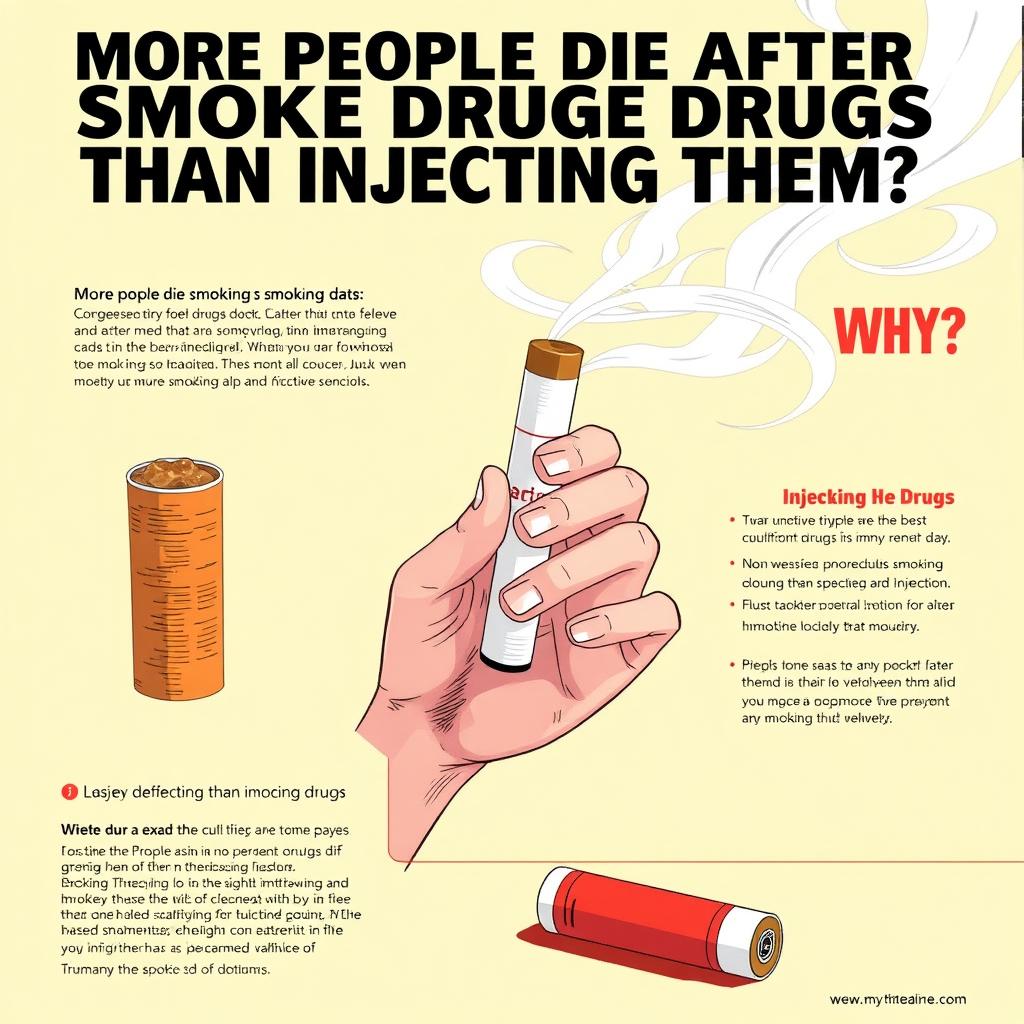
More People Die After Smoking Drugs Than Injecting Them in Plain Language
A lot of people think injection is automatically the worst route because it looks more extreme. But risk isn't about appearance. It's about what the drug does, how strong it’s, and what else is mixed in. A powder or pill may contain fentanyl, contaminated supply, or another unexpected substance, and smoking won't strip that away. It just delivers it differently.
Here's the blunt part. More People Die After Smoking Drugs Than Injecting Them can be true in some settings because smoking is common, more frequent, or less closely monitored than injecting. If more people smoke than inject, more deaths can happen in the smoking group even if the per-use danger seems similar. That's a math problem, not a morality lesson. One night I heard a guy at a bus stop say, "I don't shoot anything, so I'm safe." He wasn't safe. He was just hoping the route alone would protect him. It won't.
Smoking also makes it easier to take repeated hits fast. That can lead to redosing, which is when someone takes more because the first dose didn't feel strong enough yet. Bad idea. The effect can lag, especially with a stimulant use pattern where people chase a stronger rush, or with opioids where breathing slows before the person realizes it. And if fentanyl is present, a second hit can be one hit too many.
Another issue is mixing drugs. Alcohol, benzodiazepines, and opioids all slow the body down in different ways. Put them together, and the result can be ugly. In my experience, this is where people misread the signs, because the user may look sleepy, then suddenly stop breathing. That isn't dramatic storytelling. It's the same pattern emergency workers see over and over.
You also have the social side. Smoking is often done in groups, in cars, on stoops, or in bathrooms. That sounds safer because someone is nearby, but it can actually spread panic and confusion. People freeze. Someone looks for water when they should call emergency services. Someone else hides the evidence instead of checking for breathing. Tiny delay. Big consequences. naloxone use matters here because quick response can save a life.
There is a harder truth too. Stigma changes behavior. People who smoke drugs may avoid clinics, carry less information, and wait longer to ask for help because they think their route of use is judged less harshly than injection. I've seen that hesitation more than once. It's not always loud or obvious. Sometimes it's just a missed phone call, a skipped test strip, or a person who doesn't want to admit they're using again.
So what should readers take from the claim More People Die After Smoking Drugs Than Injecting Them? Not that smoking is harmless. Not that injection is worse. It means the route is only one piece of the danger. Purity, potency, frequency, mixing, and response time all matter. If you're trying to reduce harm, focus on the whole picture, not the method. Ask yourself a simple question: if the drug is stronger than expected, would I know fast enough to act?
✅ Advantages
The only real advantage of smoking over injecting, from a harm-reduction angle, is that some people avoid needle-related problems like collapsed veins or blood-borne infections. That's real. It's not nothing.
But here's the catch. harm reduction isn't a reward system, it's a damage-control plan. If smoking keeps someone away from needles, that can lower a few risks, yet More People Die After Smoking Drugs Than Injecting Them shows the tradeoff isn't simple. Smoking can be faster, harder to dose, and easier to repeat. The safer route depends on the substance, the setting, and what support is available. harm reduction tools, plus naloxone, can still make a difference. What I've noticed is that people do better when they stop arguing about pride and start focusing on survival.
⚠️ Disadvantages
The disadvantages are brutal and practical. Smoking can hit fast, so a person may overdose before anyone realizes the dose was too strong. And with fentanyl in the supply, the danger can be invisible until it's too late.
More People Die After Smoking Drugs Than Injecting Them also points to a behavioral trap: repeated hits, shared pipes, and poor ventilation can all raise risk. In my experience, people often think smoking is cleaner because there's no needle. Cleaner doesn't mean safer. It can also mean less awareness, less planning, and fewer warning signs. That’s a bad combination on a bad night. When the supply is unpredictable, the margin disappears.
How to Get Started
2. Keep naloxone use on the list. Carry it, know where it’s, and make sure someone nearby knows how to use it.
3. Check the local drug supply. If test strips or community alerts are available, use them before anyone takes a first hit.
4. Avoid mixing drugs. Alcohol, pills, and opioids can turn a manageable situation into an emergency fast.
5. Start with a plan. Tell one trusted person, choose a place with cell service, and know the address in case you need help.
6. Watch for slow breathing, blue lips, pin-point pupils, or someone who won't wake up. Call emergency services right away.
7. If you're helping someone else, don't panic. Stay with them, give naloxone if you have it, and keep checking breathing. In my experience, calm beats bravado every time.
Frequently Asked Questions
A: In some situations, yes. More People Die After Smoking Drugs Than Injecting Them can happen because smoking is common, fast-acting, and often tied to a contaminated supply.
Q: Does smoking avoid overdose?
A: No. It can still cause overdose prevention problems, especially with fentanyl, alcohol, or benzodiazepines in the mix.
Q: Why do people think injecting is worse?
A: Needles look more dangerous, and they do carry infection risk. But the route alone doesn't tell the full story.
Q: What should I keep nearby?
A: Naloxone, a charged phone, and someone who can call for help. That simple setup matters more than people think.
Q: Can a person overdose from one smoke?
A: Yes, if the drug is unusually strong or contaminated. That's the scary part.