Overview
How robots learn, chatbots grow, and visuals reshape 2024
A chatbot used to be a typed-out maze. You asked a question, it gave you a half-right answer, and you started over. But by 2024, the better systems could hold context, remember the thread of a conversation, and answer in a tone that sounded less like a script and more like a coworker who’d had coffee. What I’ve noticed is that people stopped asking, “Can it talk?” They started asking, “Can it finish this task?”
That shift matters because chatbots are no longer just front-door helpers. They’re being used for customer service, internal knowledge search, meeting notes, scheduling, and basic troubleshooting. A tiny example: I watched a small shop owner use one to draft replies to the same ten customer questions every week. Not glamorous. Very useful. And that’s the real story. chatbots became a labor-saving habit, not a party trick.
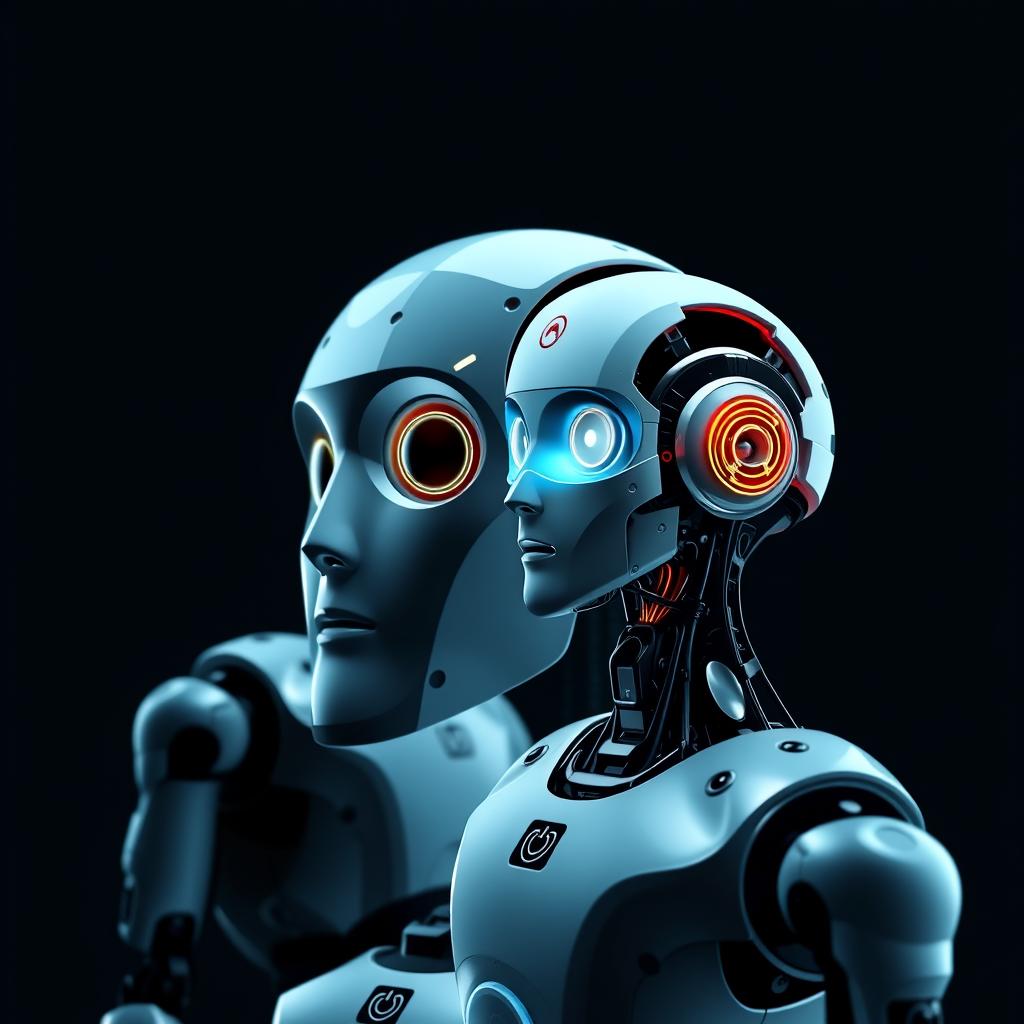
Robots learned too, though not always in the sci-fi way people imagine. In factories, warehouses, hospitals, and farms, robots got better at sensing, adjusting, and working around uncertainty. They don’t need to be perfect to matter. A robot that can sort boxes more reliably, or a machine that can guide a worker through a repetitive task, changes the day. And artificial intelligence gives those systems the ability to improve from pattern to pattern instead of following one rigid path.
The phrase “robots learn” sounds dramatic, but it mostly means better prediction. A robot watches, tests, corrects, and repeats. That loop is the leap. In my experience, people overestimate the flash and underestimate the grind. The grind is where progress lives.
Then there’s the visual side. The “visualize” part of Robots Learn Chatbots Visualize How 2024 Will Be A I S Leap Forward is easy to ignore, but it’s the part many users remember. Humans trust what they can see. Dashboards, heat maps, live summaries, and simple charts help turn noise into decisions. A manager looking at a clean dashboard can spot a problem in 30 seconds that would take 30 minutes in a spreadsheet. That’s not decoration. That’s speed.
And visuals do another job, they make systems understandable. When a chatbot explains a policy with a chart, or a robot’s sensor data turns into a clear path map, people feel less lost. Frankly, that’s half the battle with new tech. If users can’t see what’s happening, they won’t trust it. A transparent visual layer makes data visualization feel less like reporting and more like guidance. Wikipedia has long treated visualization as a basic tool of communication, and that still holds up.
The clever part of 2024 wasn’t just that these tools got stronger. It was that they started working together. A chatbot could pull a chart. A robot could report status into a dashboard. A team could ask a plain-English question and get text plus visuals back. That combo reduces friction. Fewer tabs. Fewer handoffs. Fewer “wait, where did that number come from?” moments.
Yet there’s a contrarian angle here. Not every task should be automated, and not every answer should arrive instantly. Some work improves when a person slows down and checks the machine. I’ve seen teams adopt a chatbot too fast, then blame it when nobody wrote down the underlying process. The tool wasn’t the problem. The missing workflow was. If the data is messy, the output will be messy too. Simple as that.
So the leap forward in 2024 wasn’t really about robots replacing people. It was about systems becoming more legible, more responsive, and more useful in small daily ways. A good machine learning model can help rank priorities. A chatbot can reduce routine typing. A visual layer can show where the real issue sits. Put together, they make work feel less like digging through drawers and more like opening the right one first.
And that’s why this matters beyond tech circles. Schools, clinics, stores, and startups all benefit when tools are easier to use and easier to trust. The best part? You don’t need to be a developer to see the change. You just need a problem that takes too long today. What task in your day still feels stubbornly manual?
✅ Advantages
The biggest advantage is speed. Chatbots answer faster than email chains, and visual dashboards help people spot patterns without wrestling with raw numbers. Robots that learn can also reduce repetitive work, which frees humans for tasks that need judgment, not just muscle memory. Honestly, that’s the sweet spot.
Another plus is accessibility. Better interfaces mean more people can use advanced tools without special training. A nurse, store manager, or teacher can get useful output from artificial intelligence without becoming a technician. And once teams see the value, adoption gets easier. In my experience, that matters more than flashy features.
You also get consistency. Machines don’t get bored at 4 p.m., and they don’t forget the fifth step in a routine. That steadiness can improve service, reporting, and operations when the process is already well defined.
⚠️ Disadvantages
The downside is that these tools can look smarter than they’re. A chatbot can sound confident and still be wrong. A robot can repeat a bad pattern if the training data is weak. So if people trust output without checking it, mistakes spread fast. That’s the nasty part.
There’s also the human cost. Some jobs shrink, some tasks disappear, and workers can feel pushed aside before they’re retrained. What I’ve noticed is that teams often buy software before they plan the transition. Bad sequence. And once a system becomes part of daily work, poor data, privacy concerns, and opaque decision-making become harder to ignore. If you can’t explain it, you probably shouldn’t scale it yet.
How to Get Started
2. Map the inputs. What data does the task need? If the data is messy, fix that first. Garbage in, garbage out. Still true.
3. Test a chatbot or dashboard. Use a simple machine learning tool, then compare its output with a human version. Honestly, that comparison teaches you a lot.
4. Add visuals only where they help. A chart should clarify, not decorate. If a graph makes the answer slower to understand, ditch it.
5. Keep a human review step. Especially early on. One person checking the output can save you from a week of cleanup.
6. Measure the time saved. Not with fantasy numbers, just real minutes. If the tool doesn’t save time or reduce stress, rethink it.
Frequently Asked Questions
A: It means AI tools became more practical in 2024, with better chatbots, smarter learning systems, and clearer visuals that help people use them.
Q: Are chatbots replacing people?
A: Not entirely. They’re replacing some repetitive tasks, but the best results happen when people supervise the work and handle the edge cases.
Q: Why do visuals matter so much?
A: Because people understand patterns faster when they can see them. A clean chart can explain a problem quicker than a long paragraph.
Q: Is this only for big companies?
A: No. Small businesses, schools, and solo workers can benefit too. What matters is picking one useful task and starting there.
Q: Should every workflow be automated?
A: No. Some tasks need human judgment, context, or empathy. Automation works best when the process is already stable.
Final Thoughts
Start with one problem, watch the output closely, and keep a human in the loop. That’s how you get the upside without the mess. And if a tool saves you an hour on a Tuesday morning, that’s not hype. That’s progress.