Overview
Why mask rules are returning, and where they may spread next
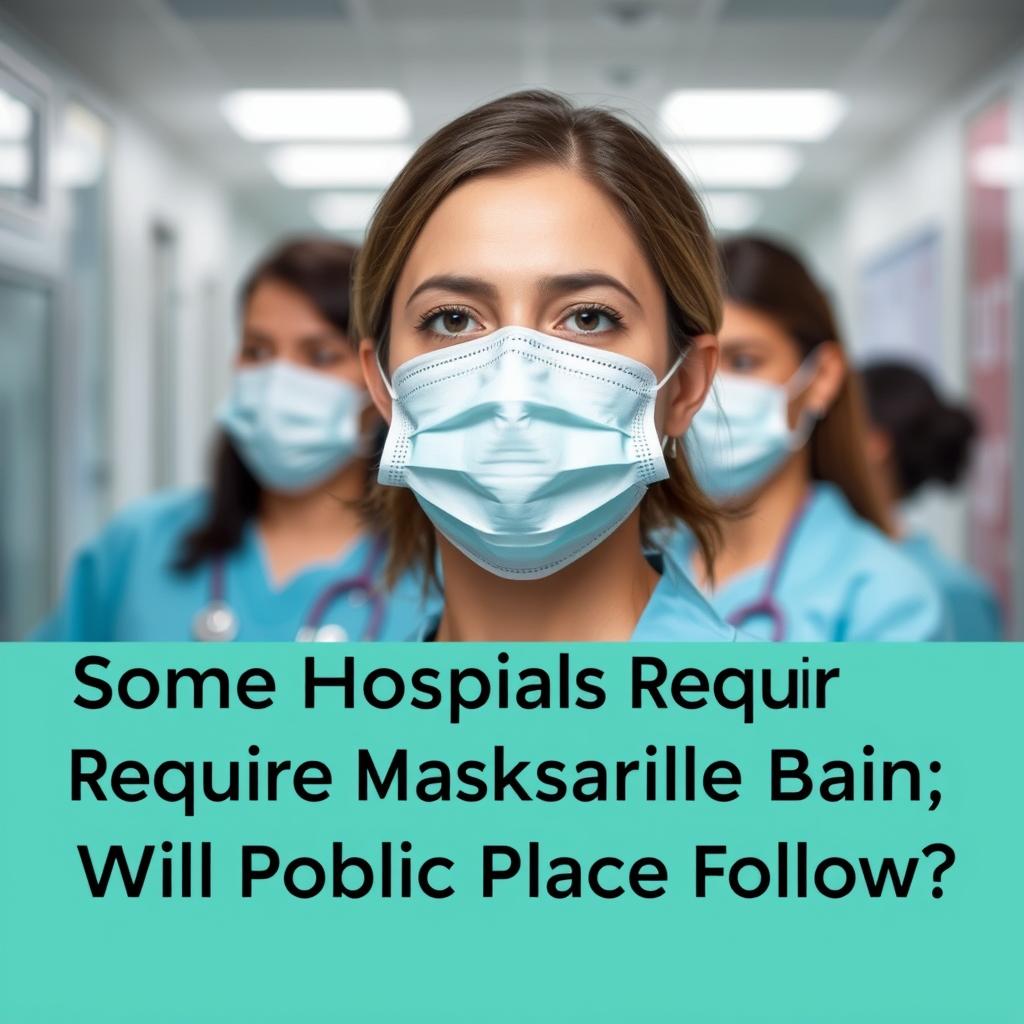
And that reaction isn't random. Administrators look at local case counts, patient mix, staffing, and how hard it would be to protect vulnerable patients. A cancer ward isn't the same as a coffee shop. One mistake there can ripple through a whole floor.
What I've noticed is that mask rules come back fastest when winter respiratory illness rises. Flu, COVID, and RSV can all push hospitals to tighten controls. That's especially true in crowded emergency rooms, where people sit close together and nobody planned to be there.
A small story. A friend brought a parent to an ER on a January night, and the triage nurse handed out masks before anyone even sat down. No drama. No lecture. Just a simple rule and a busy waiting room. Honestly, that calm tone matters. People hate feeling scolded more than they hate the mask itself.
So will other public places be next? Some will, but not all. The most likely candidates are places with long indoor stays and close contact, like nursing homes, dialysis centers, and certain clinics. Public transit can also tighten rules if there is a severe surge, especially in major cities. But grocery stores and malls usually wait longer, and many never bring back formal mandates unless local conditions get bad.
The big difference is purpose. Hospitals are built to reduce risk. Retail spaces are built to move people through. That changes the math. It also changes the politics, because a mask rule in a hospital feels like a medical precaution, while the same rule in a restaurant feels like a social statement.
And public reaction matters more than officials like to admit. If people see masks as a short-term shield during a bad stretch, compliance is usually smoother. If they think a rule is being used without clear reason, resistance kicks in fast. Frankly, that's why clear signage, short time frames, and plain language work better than big speeches.
There’s also a staffing angle. Hospitals don't just protect patients. They try to keep doctors, nurses, and support staff from getting sick at the same time. When too many workers call out, care slows down. Beds stay full longer. That pressure can make World Health Organization advice or local infection trends feel very real, very quickly.
Public places outside healthcare watch those signals. School districts, for example, may look at absentee rates and pediatric illness. Airports and transit systems watch crowded indoor flow. Offices often do something more modest, like asking sick people to stay home or wear a mask for a week. In practice, that's how masking returns: not in one giant wave, but in little policy pockets.
And yes, the message can be messy. One hospital may require masks in every unit, while another only requires them in oncology or transplant areas. That can make the public think rules are inconsistent. But the inconsistency usually reflects different risk levels, not confusion.
There's a social side too. Masks have never been just about germs. They signal caution, solidarity, and sometimes tension. I've seen people treat a mask as a minor inconvenience in one setting and as a political badge in another. Same object. Different room. Weird, but true.
If you want to predict where masks might appear next, watch three clues: crowded indoor spaces, medically fragile people, and local outbreaks. When those line up, rule changes get more likely. A hospital can flip the switch in a day. A mall usually won't. A school may wait for absences to pile up. So the spread is real, but it's uneven, and that's the part most headlines miss.
The practical answer is simple. If you go somewhere with sick people, poor ventilation, or high-risk patients, keep a mask handy. You might not need it. Then again, you might be glad you brought it. That small habit saves a lot of hassle.
✅ Advantages
Some Hospitals Are Requiring Masks Again Will Other Public Places Be Next, and the biggest upside is plain: fewer infections in places where sickness can do serious damage. Masks help protect high-risk patients, support overloaded staff, and lower the odds of a ward-wide outbreak. They also give hospitals a fast response tool. No long setup. No new equipment. Just a simple barrier that can be turned on when risk rises. In my experience, people accept rules more easily when the reason is obvious and the time frame is short. That’s the sweet spot.
⚠️ Disadvantages
Some Hospitals Are Requiring Masks Again Will Other Public Places Be Next, but the downsides show up quickly when rules feel uneven or unclear. People may get confused if one entrance requires masks and another doesn't. And some visitors, especially those who already feel stressed, see the rule as one more barrier. There’s also fatigue. After repeated waves of mandates, compliance can slip. Honestly, that matters. A half-followed rule can create more frustration than a simple recommendation. If a place can't explain why the rule exists, trust drops fast.
How to Get Started
Next, keep a few well-fitting masks in your bag or car. A loose mask is better than nothing, but a snug fit works better. Then choose the right one for the setting. Some places prefer disposable surgical masks, while higher-risk areas may ask for something stronger.
And if you're unsure, ask staff before you go in. That saves time and avoids a scene. What I've noticed is that people get far less annoyed when the rule is clear up front.
Finally, pay attention to local illness trends. If cases are rising, bring a mask even if the rule isn't posted yet.
Frequently Asked Questions
Ask at the entrance. Most hospitals and clinics keep extras on hand. If not, leave, get one, and come back. It's annoying, sure, but it's faster than arguing.
Why do hospitals bring masks back before other places?
Because they treat sick people and can’t afford a cluster of infections. CDC and local health teams often focus on these settings first.
Will schools and stores follow?
Sometimes, but only if illness gets worse or local rules change. Schools are more likely than stores to act early because children spread infections easily.
Are masks forever now?
No. These rules usually rise and fall with risk. That's the key thing people miss. One bad season doesn't mean a permanent rule.