Overview
Is Technology Is Power Is It True in everyday life?
And technology has changed all three.
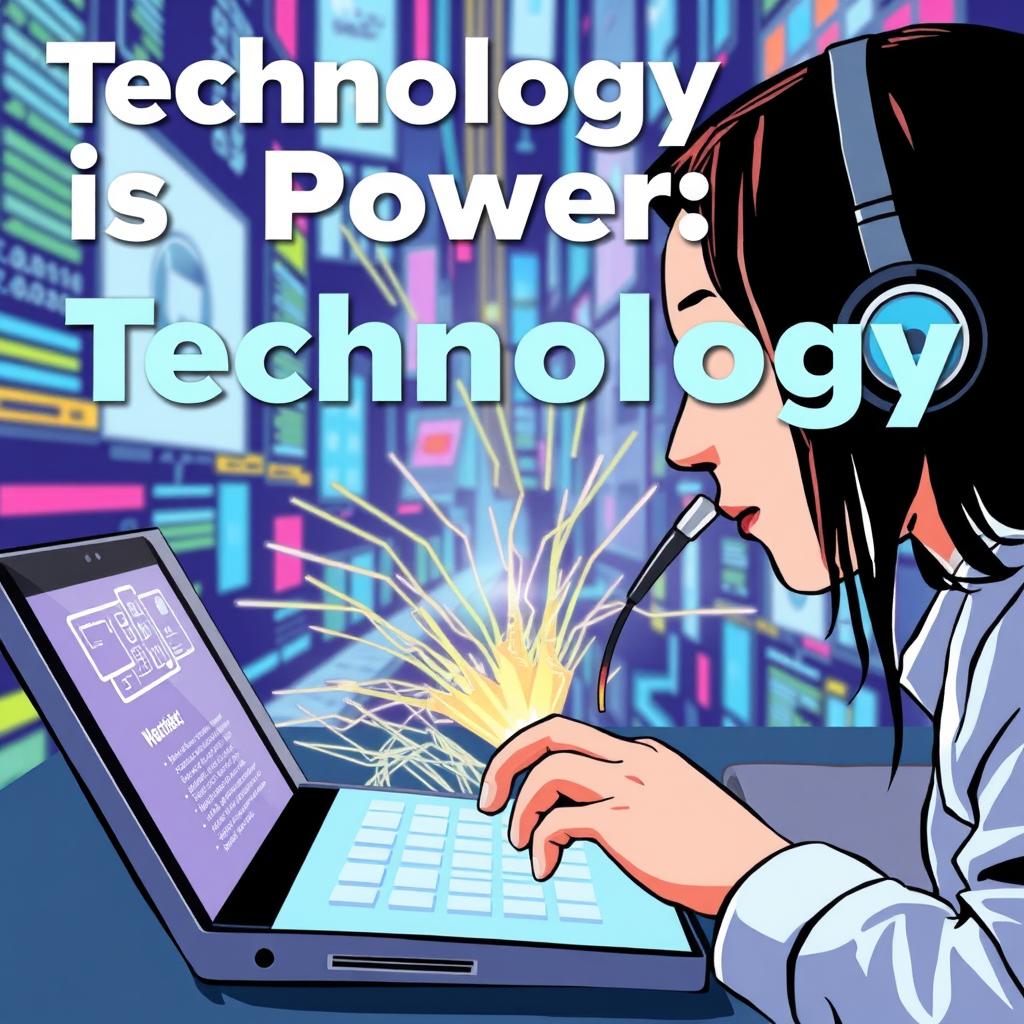
A person with a smartphone can move money, record evidence, learn a language, find a clinic, and publish a complaint in under a minute. That's power. Real power. Not the comic-book kind. The practical kind that shows up in a bank app or a map pin. In 2024, that tiny rectangle in your pocket can do more than a desk full of office gear did 25 years ago.
But here's the catch. Tools don't distribute themselves evenly. A teenager with fiber internet and a modern laptop can learn coding on a Sunday afternoon. Another teenager, same city, might share one broken device with three siblings and a data plan that runs out before dinner. Same technology. Very different power. Frankly, that gap matters more than the gadget.
What I've noticed is that people often confuse possession with power. They buy the tool and expect the use to arrive attached. It doesn't work like that. A search engine can answer a question in seconds, but it can also bury the answer under ads, junk, and polished nonsense. Speed isn't wisdom. Access isn't mastery.
And this is where the phrase gets slippery. If technology is power, then which technology? A factory robot? A payment platform? artificial intelligence? A simple text message? Each one shifts power in a different direction. Some make workers faster. Some make managers richer. Some make customers less patient. Some make governments nervous.
I've seen this up close in a small office I visited years ago. The team had just adopted cloud-based tools and looked thrilled on Monday. By Thursday, they were arguing about permissions, backups, and which file version was real. One person could edit a contract from home at 11 p.m. Nice. Another person couldn't open it because the login got tied to an old phone number. That's technology as power, and technology as a trap, all in the same week.
So yes, the claim is true. But only halfway.
Technology gives power when it increases reach, lowers friction, or widens choice. It weakens power when it creates dependence, surveillance, or confusion. And it can do both before lunch. A social media account can build a brand from zero. It can also turn into a slot machine for attention, where the house always knows your habits. That's not a side effect. That's the design.
And let's be blunt about money. Technology often magnifies existing wealth. Companies with the best cloud computing contracts, the most data, and the deepest teams tend to win twice: first on efficiency, then on scale. Smaller players get the shiny dashboard and the monthly bill. I've seen founders celebrate automation like it's a magic wand, then realize the real advantage belongs to the firm that can buy ten more seats, not the one that saved two hours on invoices.
Yet the story isn't cynical all the way down. Technology can flatten a few doors, and that's not nothing. A student in a rural town can take a course from Khan Academy. A patient can compare symptoms, book a visit, and carry a digital record to a new clinic. A local seller can reach customers beyond one street. Those are power shifts too. Quiet ones. Useful ones.
And because power attracts rules, technology also becomes a battleground for standards, regulation, and trust. European Union privacy laws, platform policies, and device ecosystems all shape what users can do. A phone isn't just a phone anymore. It's a passport, a camera, a wallet, a microphone, and sometimes a leash. Handy. Creepy. Both.
So is technology power? Yes, but not as a slogan. It's power in motion. Power with invoices. Power with passwords. Power with consequences. If you want the real answer, ask a better question: who benefits from the tool, who pays the price, and who gets to walk away? That last part is the one people miss.
✅ Advantages
The biggest advantage is reach. One smartphone can replace a dozen old tools, and one good platform can put a tiny business in front of thousands of people by Friday. That's not hype. It's use. What I've noticed is that tech also saves time in places people used to lose whole afternoons. automation cuts repetitive work. online learning opens doors for someone who can't attend a campus. And Google or Microsoft ecosystems can make collaboration feel almost frictionless when everything lines up. Fast. Cheap. Wide. Those are real advantages.
⚠️ Disadvantages
The downside starts with dependence. Once a team, family, or school leans too hard on one system, a single outage can wreck the day. I've lived through that. One power cut, one dead router, and suddenly nobody can print, pay, or even find the agenda. And tech can widen gaps instead of closing them. The best tools often cost the most, and the people with the least time have the hardest learning curve. There's also surveillance, distraction, and plain old burnout. A data privacy slip can haunt you for years. Not pretty.
How to Get Started
2. Pick one small digital skill to learn: email, spreadsheets, cloud files, or basic security.
3. Test one tool for a week. A productivity app or simple platform is enough.
4. Set a rule for privacy and backups. Seriously. One lost login can ruin a Monday.
5. Measure the result with numbers: time saved, money saved, mistakes reduced.
6. If the tool helps, keep going. If it doesn't, drop it. That's the whole game. Start small. Stay sharp.
Frequently Asked Questions
A: No. A tool only becomes power when someone can use it well and control the outcome. A locked device isn't much help.
Q: Why do some people benefit more?
A: Because digital literacy, money, and access stack together. The person with better training usually gets the bigger payoff. Frankly, that's the boring truth.
Q: Can technology create new power?
A: Yes. A small shop can reach national customers online, and a citizen can document abuse with a phone camera. That changes the balance.
Q: What role do big companies play?
A: A huge one. Apple and other major platforms can shape what users see, buy, and share. That's a lot of control in one place.
Q: How do I avoid the downside?
A: Use fewer tools, learn the basics, and keep backups. Simple habits beat fancy promises.