
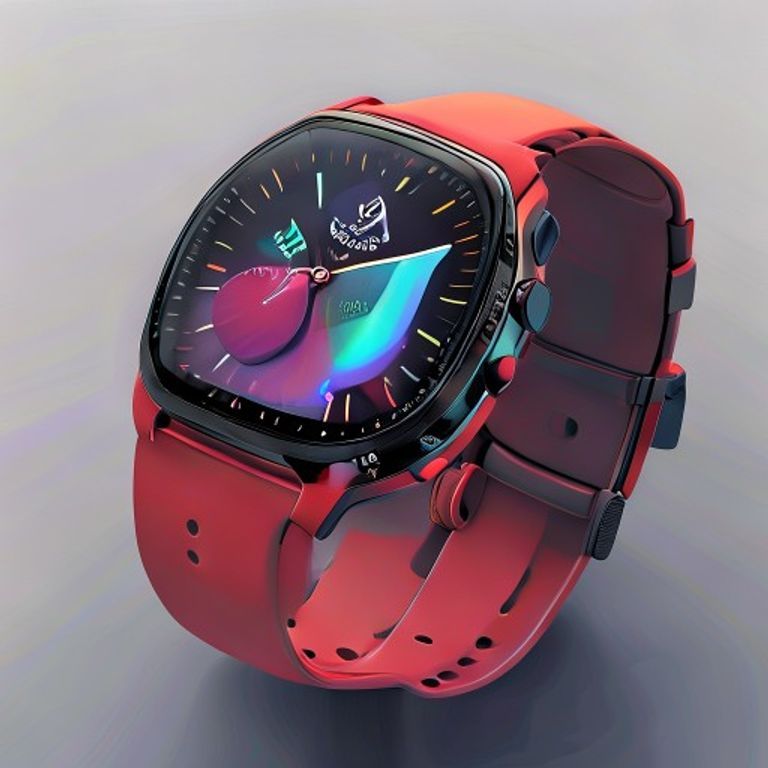
Overview
Best Wear Os Smartwatches You Can Buy In 2024: top picks and buying tips
Wear OS has gotten much better, especially with tighter android apps support and smoother handoff from phone to wrist. That said, the best watch for you still depends on three things: comfort, battery, and how often you actually use smart features. Honestly, a lot of people end up paying for features they open twice a week.
One of the biggest mistakes is chasing a giant screen. Big can be nice, sure. But if the case digs into your wrist during typing or sleep, you’ll stop wearing it. And that kills the point. A watch is supposed to disappear until you need it. In my experience, lighter cases and better straps beat a few extra millimeters of display.
For fitness, the best Wear OS models now cover the basics well. Step tracking, sleep tracking, GPS runs, and heart rate data are standard on good devices. But the real difference is in consistency. Some watches read your pulse smoothly during a walk, then get messy during interval training. If you care about serious workout data, look for stable sensors and a companion app you’ll actually open. Why buy a dashboard if you never trust the numbers?
Battery life is the old sore spot. Most Wear OS watches still won’t behave like a basic fitness band. That’s fine, but it changes the buying decision. If you hate nightly charging, prioritize efficient chips and moderate screen sizes. If you’re okay topping up while you shower, then brighter displays and always-on options become more attractive. What I’ve noticed is that many users overestimate how much battery they need, then regret it after the first busy week.
There’s also the style question, and it’s not shallow. A watch is the most visible piece of tech you own. It sits between your hand and your shirt sleeve all day. So think about whether you want a sporty case, a slim minimalist look, or something closer to jewelry. The best Wear OS smartwatch can still feel wrong if it clashes with your normal clothes. I once watched a friend ditch a great watch because it looked like a bike computer in his office. Fair enough.
If you’re deep in the Google ecosystem, Wear OS becomes even more useful. Notifications sync quickly, Google Wallet makes tap-to-pay easy, and Google Assistant or Gemini-style voice tools can save time when your hands are full. That said, voice features are only helpful if the mic and wake behavior are reliable. Otherwise, you’ll just repeat yourself in a parking lot like a frustrated extra in a spy movie.
For many buyers, health features are the hidden dealmaker. Men and women alike tend to care more about heart rate alerts, stress indicators, and menstrual tracking once they actually own the watch. Funny how that works. The feature list looks boring online, then it becomes the thing you check every morning with coffee.
If you’re shopping in 2026, don’t get trapped by old marketing language. “Premium” doesn’t always mean “better.” Sometimes it just means pricier metal and a prettier box. Look for fast charging, decent RAM, readable display brightness outdoors, and a software promise that feels stable. And yes, Samsung and Google still dominate much of the conversation here, but smaller brands can surprise you if they focus on one job well.
I’d also pay attention to the app gap. Wear OS is better than it used to be, but no smartwatch ecosystem is perfect. Some third-party apps still feel like tiny afterthoughts. That’s why the best models are the ones that handle the basics beautifully. Notifications. Fitness. Payments. Music controls. If those four are smooth, you’ll use the watch more often than you expect.
A quick anecdote. A colleague of mine bought a top-end watch with every bell and whistle, then switched to a simpler model two months later. Why? The first one was brilliant on paper, but too heavy for sleep and too needy for battery. The second one wasn’t exciting. It was useful. That’s usually the winner.
So when you compare Best Wear Os Smartwatches You Can Buy In 2024, rank your priorities before you rank the products. Start with fit, then battery, then health features, then extras like LTE, speaker quality, and third-party apps. The order matters more than the brand name. And yes, sometimes the “best” watch is the one that’s merely very good at the stuff you actually do every day.
✅ Advantages
The biggest advantage of Best Wear Os Smartwatches You Can Buy In 2024 is flexibility. You get a watch that works well with android apps, payments, notifications, and fitness tools in one place. That makes daily life smoother, especially if your phone is already tied to Google services. I’ve found that people use these watches more than they expect, mainly because the useful stuff is right on the wrist.
Another win is choice. You can go sporty, premium, or compact without leaving the platform. And with better chips and cleaner software, many watches now feel fast enough for real use, not just demo videos. If you want a device that handles work, workouts, and quick replies, Wear OS gives you that mix.
⚠️ Disadvantages
The downside is battery. Even the best Wear OS watches usually need more frequent charging than simpler trackers. That’s annoying if you travel or forget chargers. Honestly, that alone knocks some people out of the running.
Another issue is inconsistency between models. Some nails fitness tracking, while others are better at style than smarts. App support can also be uneven, and features may depend on your phone brand or region. So the shopping process takes more patience than buying a basic watch. If you want something dead simple, Wear OS may feel like more machine than you need.
How to Get Started
2. Set a battery target. If you hate charging often, narrow your list to models known for better endurance.
3. Check wrist size and weight. A comfortable fit matters more than a flashy spec sheet.
4. Make sure your phone plays nicely with Wear OS. Android users usually have the smoothest setup.
5. Compare health tools. Look at heart rate, sleep tracking, GPS, and workout modes.
6. Read real-world feedback on screen brightness and charging speed. Those two things change daily use more than most ads admit.
7. Buy the one that feels easiest to live with, not the one with the longest feature list.
Frequently Asked Questions
A: Not really, not compared with Android. Wear OS is built around Android and Google services, so iPhone users usually get a weaker experience.
Q: Which feature matters most?
A: For most people, battery life and comfort matter first. Fancy extras are nice, but they don’t help if you stop wearing the watch.
Q: Can a Wear OS watch replace a fitness tracker?
A: For many users, yes. It handles fitness tracking, GPS, and health data well enough for everyday goals.
Q: Is LTE worth it?
A: Only if you leave your phone behind a lot. Otherwise, it’s often extra cost for little daily value.
Q: Should I wait for the next model?
A: If your current watch works fine, maybe. But if battery, speed, or comfort annoy you now, a good current model can be the smarter move.