Overview
How climate stress is driving cholera outbreaks across Africa
And the disease doesn’t need much help. Cholera moves quickly where sanitation is poor and clean water is unreliable. If one village pump fails after flooding, people start walking farther for water, then storing it longer, then sharing sources with neighbors. That’s how risk spreads. Honestly, it’s less about one dramatic event and more about daily pressure on basic services.
Climate change makes those pressures worse in several ways. Floods can damage latrines, sewer lines, and roads, which slows deliveries of chlorine, soap, and medical supplies. Drought can shrink reservoirs and push households toward unsafe surface water. In coastal areas, saltwater intrusion can also damage freshwater sources. So the problem isn’t only rain or heat, it’s instability.
A lot of people assume cholera is only a medical issue. It isn’t. It’s also an infrastructure issue, a planning issue, and a poverty issue. A clinic can treat dehydration fast, but if a district has no safe water network, new cases keep arriving. I once spoke with a health worker who described spending mornings on treatment and afternoons on water trucking. That’s a brutal routine.
The World Health Organization says cholera can be prevented with safe water, sanitation, and rapid treatment. That sounds obvious, but it’s still where many outbreaks stall. Oral rehydration salts save lives. So do cholera treatment centers, quick testing, and vaccination campaigns in high-risk areas. Yet vaccines are only one tool. If the water stays dirty, the outbreak keeps coming back.
Here’s the part that gets missed: climate shocks often hit the same places repeatedly. A flood damages a latrine. A second flood arrives before repairs are done. Then a dry spell forces families to use shallow wells. That cycle can turn a temporary emergency into a long-term public health crisis. And once communities lose trust in water safety, behavior changes slowly.
There’s also a timing problem. Outbreaks can spike after seasonal rains, when roads are washed out and health teams can’t move freely. In rural zones, that delay matters. In cities, crowded settlements make contact tracing harder. Frankly, cholera loves places where systems are already stretched to the edge.
What can break the cycle? Better drainage. Stronger water treatment. Safer latrines. Early warning systems that track rainfall and disease at the same time. Local planning matters too, because a district officer who knows which wells flood every year can act before the first case appears. That’s practical, not fancy.
And community behavior matters more than people think. Boiling water, washing hands, using latrines, and storing water safely can cut risk fast. But people need supplies, not just advice. A mother with no soap and no chlorine tablets can’t follow a poster. So response has to meet real life, not a brochure.
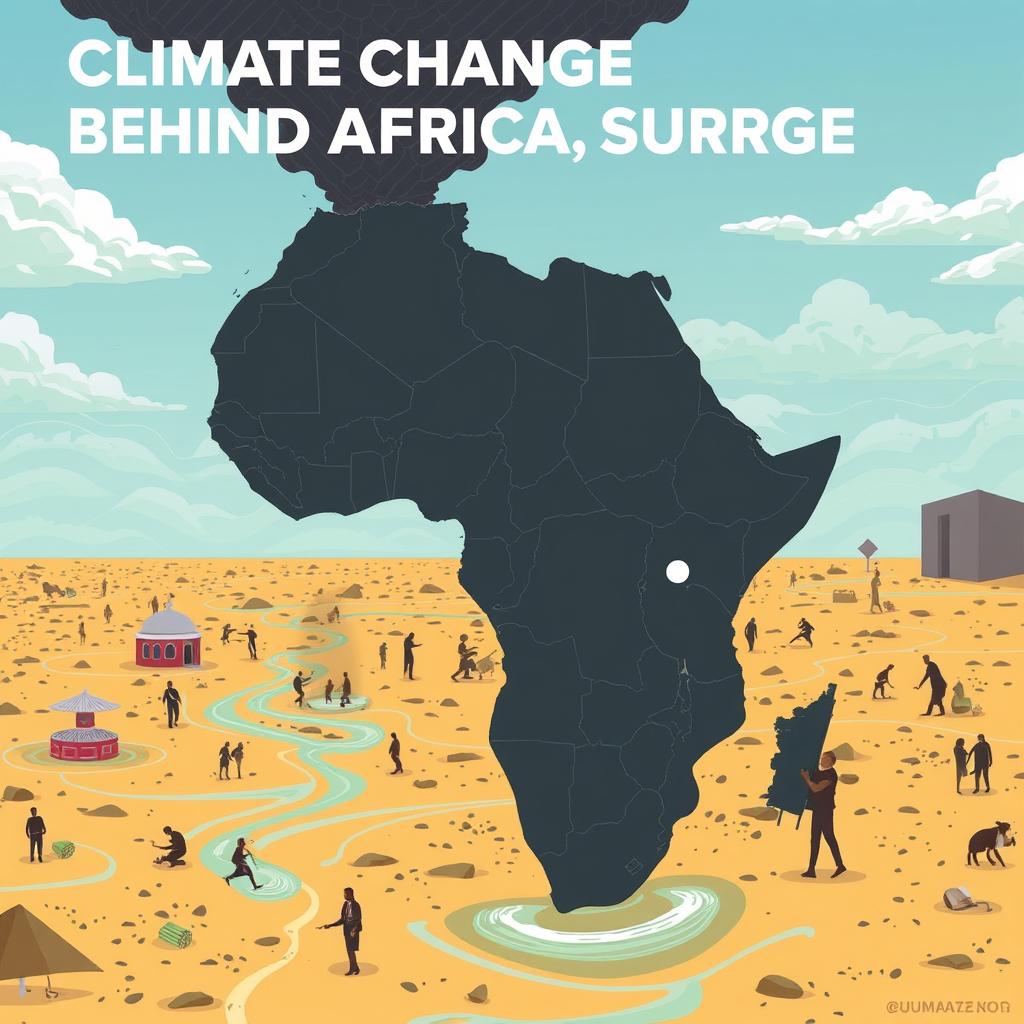
Some critics say climate change gets blamed for everything. Fair point, except this isn’t vague. You can trace the path from extreme weather to contaminated water to disease clusters. Climate Change Behind Africa Cholera Surge is a public health warning with a physical trail. And the trail is visible in flooded neighborhoods, dry riverbeds, and crowded clinics.
The best response is layered. Governments need stronger water infrastructure. Health agencies need faster surveillance, which means spotting cases early. Communities need education and supplies. And donors need to fund prevention before the next flood, not after the headlines. That’s the lesson I keep coming back to. If you fix only the clinic, you’re treating the end of the story.
✅ Advantages
Looking at Climate Change Behind Africa Cholera Surge clearly helps officials see that cholera isn’t random. It links weather data, water safety, and health planning in one frame. That makes prevention smarter. You can target flood-prone districts, protect wells, and pre-position supplies before a rainy season starts. In my experience, this kind of joined-up thinking saves time and lives.
And it also pushes attention toward long-term fixes like sanitation upgrades and stronger water systems. That’s better than waiting for the next emergency truck. When UNICEF or local ministries use climate signals early, they can move faster. Simple idea. Powerful result.
⚠️ Disadvantages
The downside is that Climate Change Behind Africa Cholera Surge can sound bigger than the tools available to fix it. Climate risks are broad, but local health budgets are often tiny. So the problem gets framed well and solved badly. That gap is frustrating.
And there’s another issue: some communities hear climate talk and think it means distant policy, not a dirty well behind the house. Honestly, that gap can weaken trust. If responses focus too much on high-level reports and not enough on soap, chlorine, and repairs, people tune out. What good is a warning if the pump still breaks?
How to Get Started
1. Map the highest-risk places, especially flood zones, low-lying settlements, and areas with poor sanitation.
2. Check water sources before rainy season hits. Test wells, repair pumps, and protect storage points.
3. Stock treatment supplies, including oral rehydration salts, chlorine, and gloves.
4. Set up quick reporting so clinics and community leaders can flag new cases fast.
5. Run short, clear public messages about handwashing, safe water, and when to seek care.
6. Work with local groups, because people trust neighbors faster than posters.
7. Review results after each weather event. That’s how you get better the next time, right?
Frequently Asked Questions
A: Because extreme weather is hitting water and sanitation systems at the same time, and cholera spreads fast in those conditions.
Q: Is cholera only caused by climate change?
A: No. It also depends on unsafe water, poor sanitation, and weak health systems. Climate change makes those problems worse.
Q: What helps most during an outbreak?
A: Safe water, oral rehydration, fast treatment, and hygiene supplies. Vaccination helps too, especially in high-risk areas.
Q: Can communities reduce risk on their own?
A: Yes, to a point. Boiling water, using latrines, and storing water safely all help, but they work best when supplies are available.
Q: Who should act first?
A: Local health officials, water agencies, and community leaders should move together. If one group acts alone, the response is slower.