Overview
How Play Can Increase Resilience in Daily Life
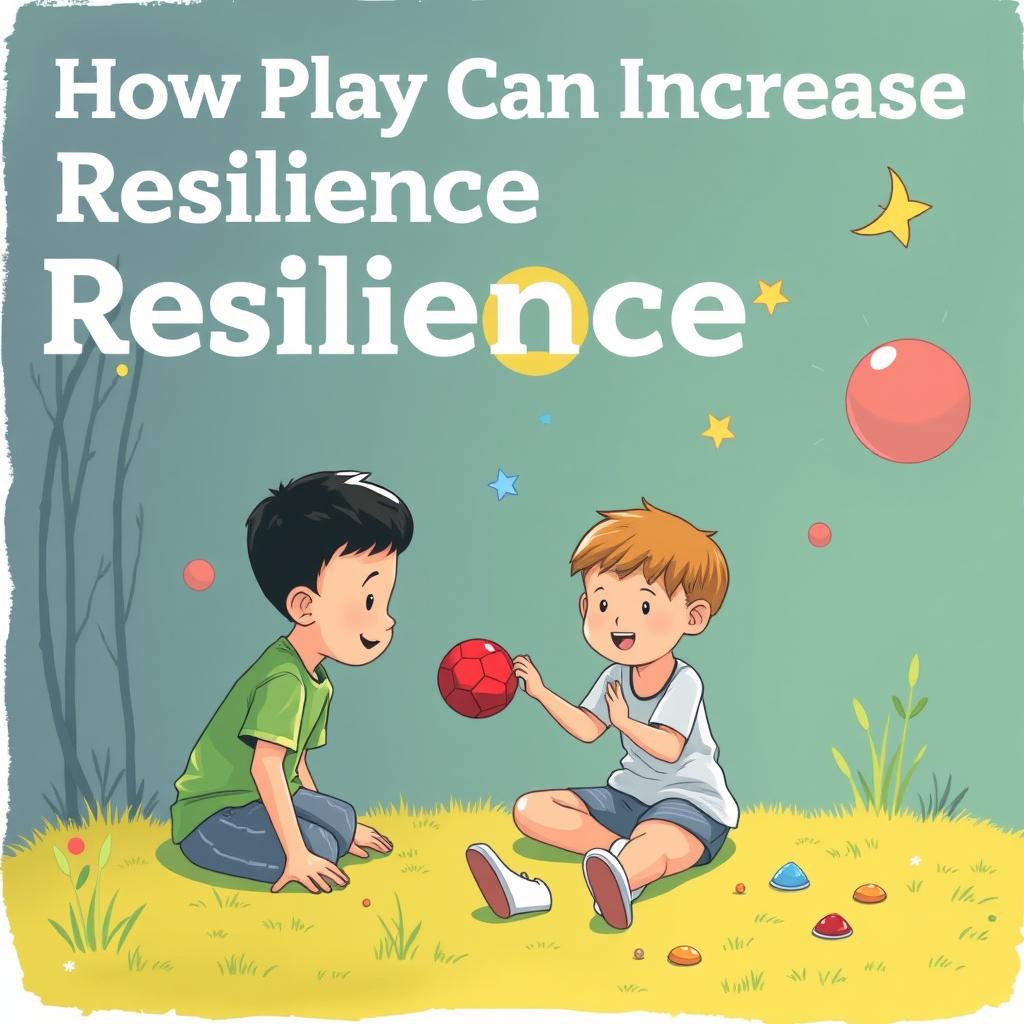
Think about a kid losing a game of cards. At first, there may be a sulk, a glare, maybe a dramatic exit. A month later, with the same game, the reaction can shift: a shrug, a joke, a quick replay. That's emotional resilience in motion. And it's not only for children. Adults do this too, just with more expensive coffee. A tough trivia night, a team sport, even a silly phone game can train patience and recovery.
What I've noticed is that play works best when the stakes are low and the feedback is immediate. You know right away if your move worked. You don't wait for a quarterly review or a long email thread. That fast feedback loop helps the brain learn without panic. It also makes failure feel temporary, which is a big deal for people who freeze under pressure.
And there’s a reason this feels so different from lecture-based self-improvement. Play gives you repetition without boredom. You can practice problem solving 20 times in one evening and still call it fun. A friend of mine, a warehouse supervisor, started doing short strategy games with his sons after dinner. He said the weird part wasn’t that the boys got calmer, it was that he did. Same rules, new mindset.
One major way how play can increase resilience is by building tolerance for uncertainty. In a game, you don't control every outcome. Dice roll weirdly. Opponents improvise. Plans collapse. Yet you stay in it. That matters because real life is full of half-plans and messy Tuesdays. People who can tolerate small uncertainty in play usually handle bigger uncertainty with less drama.
Play also strengthens social connection, which is one of the most underrated buffers against stress. Cooperative games, team sports, and even joking around during a family card night create tiny moments of trust. You learn to read other people, wait your turn, and repair small conflicts. Those aren’t soft skills. They're survival skills in disguise. When someone feels backed by other people, setbacks hurt less. That's just human nature.
But not all play looks cheerful or loud. Solo play counts too. Jigsaw puzzles, drawing, model building, dancing alone in the kitchen, all of it can create a recovery zone for the mind. In my experience, quiet play helps especially when life feels crowded. There's no audience. No performance. Just a chance to focus, breathe, and finish something small.
Play can also improve self confidence by stacking small wins. A child who learns to tie a knot in a game, or an adult who finally beats a level after ten tries, gets proof that effort changes outcomes. That proof matters. People often say resilience is about toughness, but I think it's more about evidence. Evidence that you can stumble and still move forward.
Frankly, the best play often looks inefficient. It wastes time, at least on paper. Yet that "waste" is where people practice flexibility, humor, and persistence. A Saturday soccer match can teach more about handling frustration than a polished productivity seminar ever will. And unlike a lot of self-help advice, play doesn't ask you to become a different person first.
So how do you use this idea without overthinking it? Start with the kind of play you can repeat. Five minutes is enough. A family game, a quick scavenger hunt, a creative challenge, a pickup basketball drill, a card trick, even improv-style questions at dinner. The goal isn't to win. It's to notice the reset after a miss, the laugh after a mistake, the second try after a bad first try. That's where How Play Can Increase Resilience becomes real, not theoretical.
If you're working with kids, watch how they handle frustration during play and talk about it afterward. If you're an adult, pay attention to the moment your shoulders drop. That's your nervous system learning. And if you've been too serious for too long, a little play can feel almost rebellious. Maybe that's why it works so well?
✅ Advantages
How Play Can Increase Resilience in ways that are hard to fake. It gives people practice with failure in a setting that feels safe, which lowers the fear around making mistakes. It also builds emotional regulation, because players have to calm down, refocus, and keep going after a bad turn.
And there's a social bonus. Shared games create trust, laughter, and quick repairs after conflict. In my experience, that matters most in families and teams. Play can also improve attention and creativity, since people have to notice patterns and adapt fast. According to American Psychological Association ideas about coping, supportive habits help people handle stress better, and play fits that pattern neatly. Plus, it's cheap. Sometimes free.
⚠️ Disadvantages
How Play Can Increase Resilience, but only when the play is healthy. Competitive games can backfire if someone treats every round like a final exam. Then you get shame, anger, or withdrawal instead of growth. I've seen that happen at a game table, and it kills the mood fast.
And not every person enjoys the same kind of play. Some people hate noisy group games, while others get bored by solo puzzles. Physical limits, time pressure, and family tension can also get in the way. If play feels forced, it stops being restorative. Frankly, a bad fit can make someone feel worse, not better. So the trick is choosing the right kind, not the fanciest one.
How to Get Started
2. Set a clear time limit, 10 to 20 minutes. That keeps the pressure low and makes it easier to repeat.
3. Focus on process, not winning. Notice how you react after mistakes, delays, or surprises. That reaction is the lesson.
4. Add one person if it helps. Shared play can boost social connection, but solo play works too. Choose what you’ll actually do again.
5. Afterward, ask one simple question: what felt hard, and what helped you bounce back? That's the bridge from fun to resilience building.
6. Repeat it two or three times a week. Consistency beats intensity, every time.
Frequently Asked Questions
A: The best kind is repeatable and slightly challenging. Games with small setbacks, like puzzles, card games, sports drills, or creative challenges, help people practice recovery without too much pressure. That's where How Play Can Increase Resilience shows up most clearly.
Q: Can adults benefit as much as kids?
A: Yes. Adults often need it more because stress is heavier and less playful by default. A quick game or creative break can reset attention and make frustration easier to handle.
Q: Does solo play count?
A: Absolutely. Solo play can still build patience, focus, and emotional control. It just gives you a quieter space to notice your reactions.
Q: What if someone hates games?
A: Then don't force games. Try movement, music, doodling, or a simple hands-on hobby. The goal is recovery practice, not a perfect score.