
Overview
How experimental gene therapy is changing inherited deafness care
And that's why this area has grabbed so much attention. Traditional care can help a child communicate, and that matters deeply. But gene therapy tries to go one step earlier, closer to the cause. Frankly, that's a bigger leap than many people realize. You're not turning up the volume. You're trying to restore the machinery.
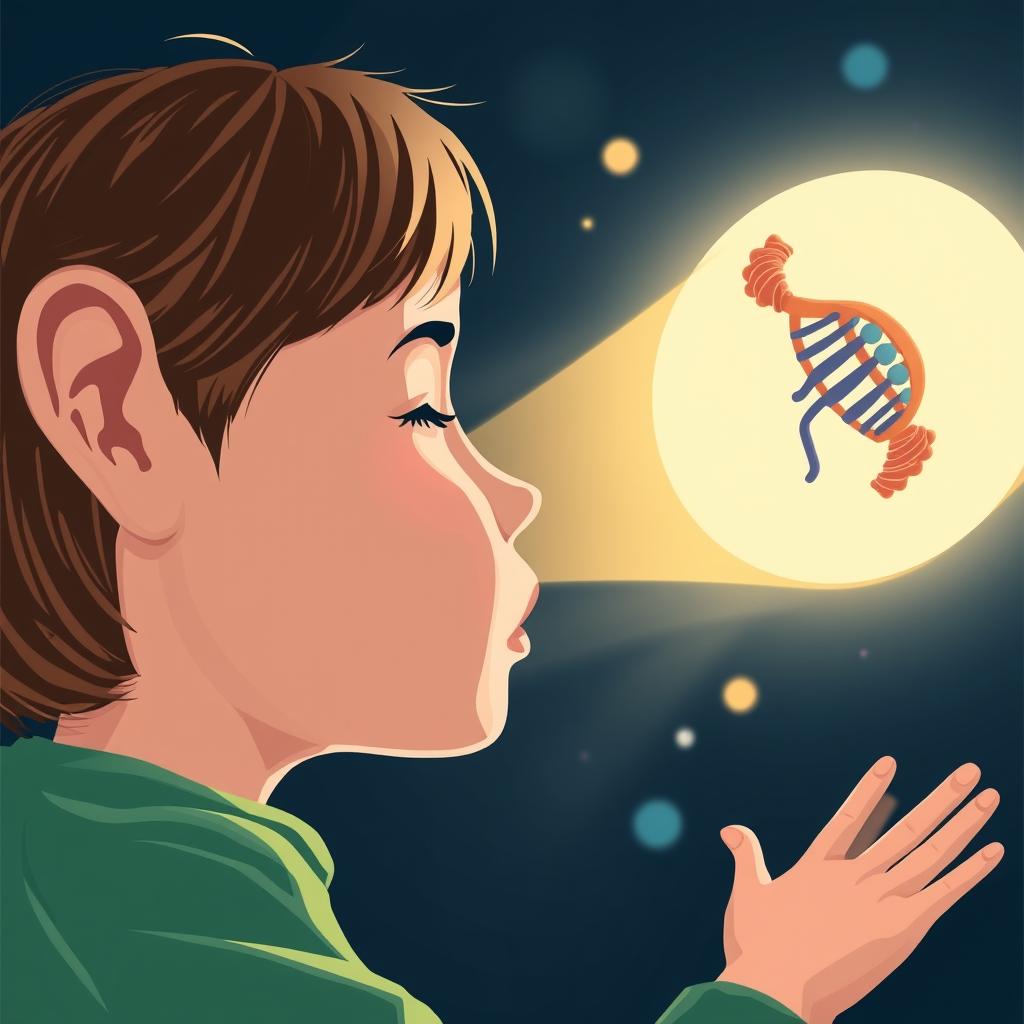
Most experimental approaches use a harmless virus as a delivery truck. Scientists place the working gene inside that vector, then guide it into the right cells. In some studies, the target is hair cells in the cochlea, the snail-shaped part of the ear that converts vibration into nerve signals. Without working hair cells, sound never really becomes hearing.
The promise is obvious. A child who can hear speech clearly may gain language faster, connect more easily at school, and need less lifelong support. But the timing matters. Early development is a narrow window. If treatment comes too late, the brain may have already taken a different route for processing sound. So yes, age isn’t a small detail. It's central.
I've seen parents get hopeful fast, then cautious just as quickly. That's healthy. Experimental medicine has a way of lifting people up and making them wait. A family may hear about a child who responds well, then spend months learning that the result came from a small study, or from one specific gene, or from one ear only. Real life rarely moves in straight lines, does it?
The strongest early results are encouraging, but they don't mean the same thing for every child. Inherited deafness covers many genetic causes. Some genes affect the hair cells, some affect supporting structures, and some disrupt the nerve pathway itself. A treatment built for one mutation may do little for another. That's why genetic testing comes first so often. It tells doctors what they're actually dealing with.
There’s also the delivery problem. The inner ear is tiny, delicate, and hard to reach. Doctors may use a microsurgical procedure to place the therapy where it needs to go. That sounds clinical because it’s, but the stakes feel personal. One wrong move can affect balance, hearing, or both. So the process is exacting, slow, and very carefully watched.
Safety still leads the conversation. Researchers look for inflammation, immune reactions, and any sign that the vector caused harm. They also want to know whether the effect lasts. A treatment that works for a month isn't enough. Families need years, not headlines. And regulators need data from Food and Drug Administration reviewed studies before anything can move toward routine care.
There's another piece people miss. Hearing isn't just about sound detection. It's about speech, learning, social confidence, and fatigue. Kids who struggle to hear often work harder all day just to keep up. What I've noticed is that parents describe exhaustion before they describe hearing thresholds. That detail matters. It reminds us why treatment goals go beyond lab charts.
Not every expert is racing to call this a cure. Some are more careful, and I think that's fair. Inherited deafness may one day be treated with a mix of gene therapy, implants, and traditional supports, depending on the child. That's not a failure. That's medicine getting more precise. A screwdriver isn't replaced by a hammer. You use the tool that fits the job.
Still, the emotional weight is hard to ignore. Imagine a child hearing a voice clearly for the first time. Maybe a parent says hello, maybe a spoon taps a bowl, maybe a dog barks by the back door. Small sounds. Huge life shift. Those moments are why this research draws so much attention, and also why expectations need guardrails.
So where does this leave families now? Usually with questions, not answers. Is the child's gene one that researchers can target? Is the treatment available only in a trial? Does the child have enough hearing pathway left to benefit? Those are the practical questions that separate hope from planning. And they deserve calm, honest answers, not hype.
✅ Advantages
Experimental Gene Therapy Allows Kids With Inherited Deafness To Hear offers something rare, it aims at the root cause instead of masking the problem. That means a child with a treatable mutation may gain more natural hearing than devices alone can provide. And if treatment happens early enough, language development may improve too. Honestly, that's the part that grabs parents first.
Another advantage is precision. Doctors can match treatment to the exact gene fault, which is a big step beyond one-size-fits-all care. What I've noticed is that families like knowing there’s a biological reason, and possibly a biological fix. It can feel less random. Less helpless.
A third plus is long-term potential. If the therapy lasts, a child may need fewer ongoing interventions later. That could ease school support, clinic visits, and daily stress. Not nothing.
⚠️ Disadvantages
The biggest drawback is that Experimental Gene Therapy Allows Kids With Inherited Deafness To Hear is still experimental, which means results aren’t guaranteed. Some children may respond well, others may not, and the benefit could fade over time. That's the hard truth.
There's also the question of access. These treatments are usually tied to special centers, strict eligibility rules, and clinical trials. So even if a child fits the medical profile, geography and timing can shut the door. In my experience, that part frustrates families the most.
And the procedure isn't simple. Reaching the inner ear takes specialized surgery, and any treatment that works through a virus vector needs close safety monitoring. Side effects, immune reactions, and incomplete results all remain possible. Hope is real. So is caution.
How to Get Started
2. Get genetic testing if the doctor recommends it. A clear gene result can show whether Experimental Gene Therapy Allows Kids With Inherited Deafness To Hear is even being studied for that specific mutation.
3. Ask about clinical trials. Some families can only access this care through a study, so trial location and eligibility matter a lot.
4. Review current support options at the same time. Hearing aids, cochlear implants, and speech therapy still matter while research moves forward.
5. Bring a written list of questions to every visit. Ask about risks, age limits, long-term results, and follow-up visits. What I've noticed is that families remember more when the questions are on paper.
6. If a trial seems possible, ask for the consent form early. Read it slowly, then ask the doctor to explain anything that feels murky.
Frequently Asked Questions
A: In some cases, only through research studies. Most families won't find it as routine care yet.
Q: Does it work for every kind of deafness?
A: No. It usually targets specific inherited gene faults, so the exact mutation matters a lot.
Q: Is it the same as a cochlear implant?
A: No. A cochlear implant bypasses damaged parts of the ear. Gene therapy tries to repair the underlying biology.
Q: What age is best?
A: Earlier treatment may help more, because the brain and ear are still developing. But the right age depends on the gene, the ear structure, and the trial rules.
Q: Should parents stop using hearing aids?
A: Not unless a specialist says so. Current supports still matter while families explore research options.