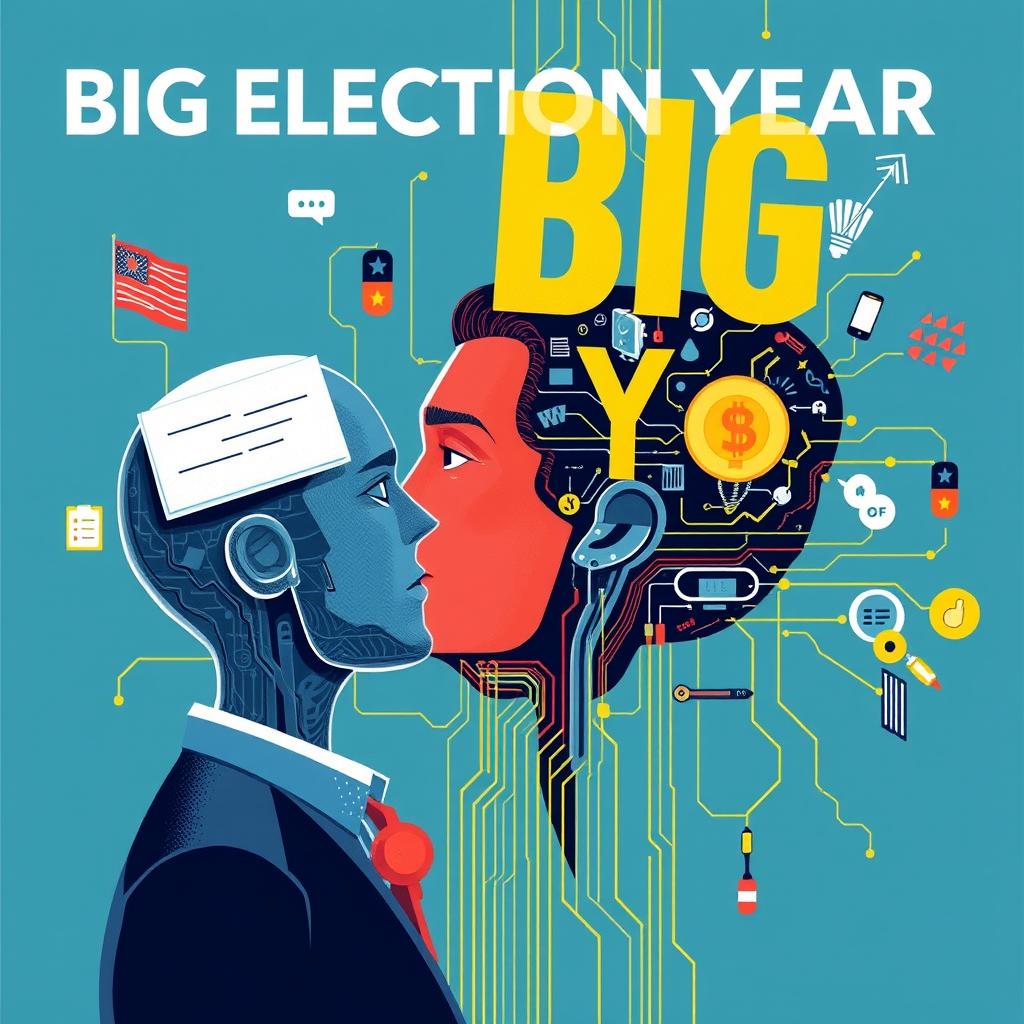
Overview
How In Big Election Year A I S Architects Move Against Its Misuse in Modern Politics
The best response starts with layers. Not one silver bullet. Builders use watermarking, model detection, source labels, and stricter release rules. They also block prompt abuse, which is just a fancy way of saying they stop people from coaxing models into producing harmful political junk. Honestly, that part sounds boring, but boring is good when the goal is fewer lies.
In practice, the phrase In Big Election Year A I S Architects Move Against Its Misuse covers three jobs. First, stop generation of deceptive election material. Second, detect when something is synthetic or altered. Third, make the origin clear enough that voters, journalists, and campaign staff can judge it. That third piece gets ignored too often. A label may not kill a lie, but it slows it down.
And speed matters. A fake robocall can reach thousands in an hour. A manipulated clip can bounce from social media to private chat groups with almost no friction. What I've noticed is that the fastest rumor is usually the most emotional one. Fear, outrage, panic. It travels like grease.
Campaign teams are changing too. They’re training staff to verify before sharing, which sounds obvious until you sit in a war-room and see ten people reposting the same bad clip. I once watched a local volunteer group almost amplify a fake candidate quote because the screenshot looked neat and the font matched. It took one cautious aide, a Tuesday morning, and a five-minute check to stop it. Small habits save campaigns.
The technical side is getting more serious. Watermarks can help mark generated media, especially when platforms preserve them through uploads and edits. Detection tools look for patterns in pixels, speech timing, and metadata, the little data attached to a file. But those tools aren’t magic. Bad actors can crop, re-encode, or paraphrase their way around them. So ai detection has to work with policy, not alone.
Big platforms matter here. Meta, YouTube, and TikTok have all tightened rules around synthetic election content, especially when it tries to mislead voters about where, when, or how to vote. That’s the kind of misinformation that can do real damage fast. A forged voting notice isn’t clever. It’s sabotage.
Yet the fight isn't only about removal. It’s about context. If a misleading clip stays up long enough to be viewed millions of times, a small note underneath may not fix it. Still, context can reduce repeat harm. Labels, fact-check links, and search demotion all help, especially when the same hoax keeps coming back under different accounts. In my experience, repetition is what turns a lie into folklore.
Lawmakers are also paying attention. In the US, election rules differ by state, and that makes enforcement uneven. Some places focus on deepfakes in political ads. Others target impersonation or voter suppression messages. The patchwork is messy, and it leaves gaps. But it also creates pressure for standards, which is how policy usually moves in America, one ugly patch at a time.
Then there’s the human side, which gets overlooked because it’s less shiny. Voters need a habit of pausing before they share. Ask one question: who posted this first, and can I find the original source? That simple check catches more nonsense than people think. It won’t solve everything. It doesn’t have to.
Media literacy also belongs in the conversation. Schools, libraries, and community groups can teach people to spot telltale signs of synthetic media, like odd lip movement, mismatched lighting, or suspicious urgency in the caption. But don't overpromise. Modern fakes can be very good. So the lesson isn't "trust your eyes." It's "verify the source."
And yes, there’s a tradeoff. Stronger safeguards can slow down legitimate creators, journalists, and campaign designers who use generative ai for harmless drafts, scripts, or mockups. That friction annoys people. I get it. But the alternative is a political environment where every video could be a lie wearing a clean suit. Which problem would you rather have?
The companies building these systems face a tough balance. Too much openness, and abuse scales. Too much restriction, and useful work gets blocked. The smartest teams are choosing narrow approvals, audit logs, and rapid response workflows. They want to know who made what, when, and for what purpose. That’s not glamorous. It’s governance.
One thing I like about this shift is that it forces accountability upstream. Instead of cleaning up after a viral mess, architects try to design the mess out of the system. That means safer defaults, clearer labels, and better limits on mass generation. It also means accepting that misuse will never vanish. People will always push tools into bad places. The goal is to make that path harder, slower, and easier to trace.
What should readers watch for in 2026? Synthetic endorsements, fake candidate apologies, bogus donation links, and voice clones that sound just close enough to fool a tired ear. Those are the pressure points. If a clip seems crafted to trigger instant outrage, slow down. That instinct will save you more than once. And if it comes from a new account with no history, that’s another red flag. Trust your caution, not the rush.
✅ Advantages
In Big Election Year A I S Architects Move Against Its Misuse and the payoff is clearer than people think. Safer systems can reduce deepfakes, protect candidates from impersonation, and keep voters from being tricked by fake instructions. They also help platforms act faster, since labels and watermarks make review easier. In my experience, the biggest win is trust. When people see clear source signals, they’re less likely to panic-share junk. And that calm matters. It keeps campaigns focused on policy, not cleanup.
⚠️ Disadvantages
In Big Election Year A I S Architects Move Against Its Misuse, but the tools aren’t perfect. Detection can miss edited content, and labels can be removed, cropped, or ignored. Some legitimate political content gets flagged, which frustrates creators and campaign teams. Honestly, that friction can feel unfair. There’s also a risk of overreliance. If people assume the system will catch everything, they stop checking for themselves. And that’s dangerous. A clever fake still slips through, especially when it’s tailored to local issues and shared in private groups.
How to Get Started
2. Add simple verification rules. Require a second human check before any clip, audio file, or screenshot goes public. It sounds slow. It isn’t.
3. Use source labeling. Keep metadata, note authorship, and preserve originals so you can prove where media came from later.
4. Train for red flags. Learn to spot deepfakes, urgency bait, and suspicious repost chains.
5. Set a response plan. If a fake spreads, decide who contacts platforms, lawyers, and reporters first.
6. Review the process after every incident. What worked? What failed? In my experience, the fixes show up fast when you write them down.
Frequently Asked Questions
A: It means building systems that reduce election abuse from synthetic media, fake audio, and manipulated posts. The aim is prevention first, cleanup second.
Q: Can AI help campaigns without causing harm?
A: Yes, if teams use it for drafting, translation, scheduling, or design support and keep human review in the loop. The danger starts when speed outruns verification.
Q: Are watermarks enough?
A: No. They help, but they can be stripped or ignored. You need labels, policy, and detection together.
Q: What should voters do with suspicious clips?
A: Pause, check the source, search for the original, and avoid sharing until you’re sure. A quick search can save a lot of damage, honestly.
Q: Which organizations are shaping the response?
A: Major platforms, election officials, and tech companies like Google, Meta, and OpenAI all have a role, along with state and federal regulators.