
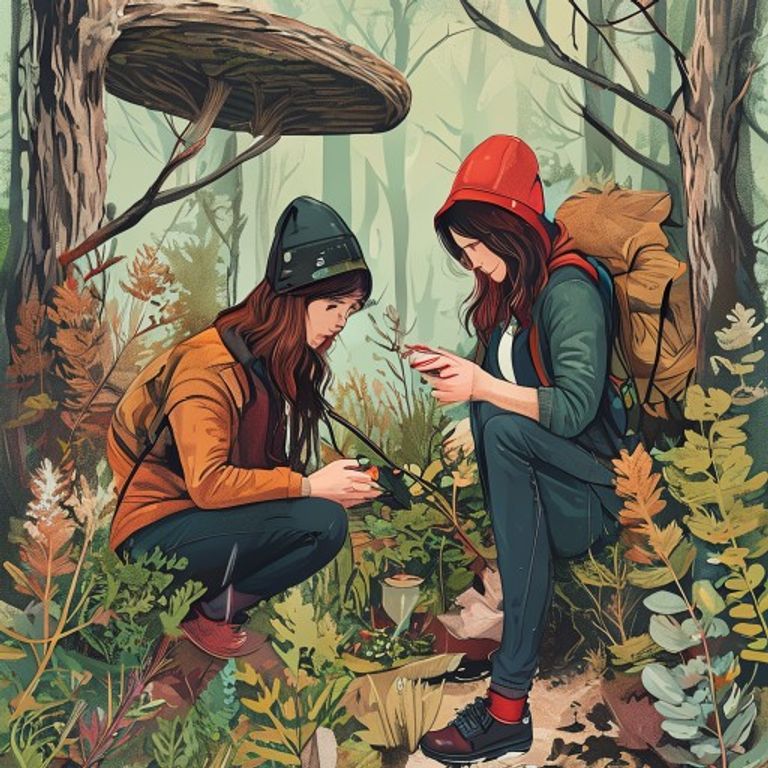
Overview
How To Start Foraging According To TikTokers in Your Own Backyard
Start with the basics. Learn the common plants in your area, the ones that show up in parks, sidewalks, and woods after rain. In many places, dandelion, plantain, chickweed, and wild berries are the first names people hear. But names can fool you. A plant can look friendly and still be the wrong species. That’s why field guide books and local classes beat random guesses every time.
And yes, TikTok can help. It can show you what a patch looks like in real light, at a real angle, with dirt on the leaves. That part matters. I once saw a beginner who thought every vine was grape because the video made it look obvious. It wasn’t grape. It was just a vine. He laughed later, but he didn’t forget the lesson.
Use the “three checks” habit. First, match the plant’s shape, leaf pattern, and stem details. Second, compare it with at least two trusted sources, ideally local ones. Third, make sure you know what dangerous lookalikes grow nearby. That last step is the one people skip, then regret. Honestly, it’s boring until it saves your afternoon.
Foragers on social media love the thrill of free food, and I get it. But seasonal plants change fast, and the same patch can look different in April and August. A good beginner watches the plant through the week, not just in one clip. Read the stems. Notice the smell. Look at where it grows. Wet ground, dry fence line, shady woods, road edge, all of it matters. And if the plant is near traffic, sprayed lawns, or industrial runoff, leave it alone.
Safety comes before flavor. Wash everything well. Cook unfamiliar greens if the source suggests cooking. Some edible plants are only safe prepared a certain way. Others are fine raw, but only after you’ve confirmed the species. And National Park Service guidance is useful too, because public land rules can be strict. Don’t assume you can take home whatever you find.
One thing TikTok often gets right is simple value. Beginners don’t need a rare mushroom hunt on day one. They need confidence with a few easy wins. Think one edible leaf, one berry, one root if your area supports it. The goal is repetition. You want to recognize the same plant from a distance, from a stem, and from a grocery bag in your kitchen.
But there’s a contrarian truth here: not everything edible is worth eating. Some wild foods are bitter, fiddly, or tiny. That doesn’t make them failures. It just means your time might be better spent learning a cluster of reliable plants rather than chasing novelty. In my experience, people stick with foraging when the learning curve feels useful, not dramatic.
If you want to follow How To Start Foraging According To Tiktokers without falling for bad advice, treat creators like starters, not final authorities. A good video can point you toward a plant. It can’t replace local knowledge. The strongest habit is cross-checking. And if a clip makes a plant look like a snack with zero caution, that’s your cue to slow down, not speed up.
Keep a small notebook or phone note. Write down the date, place, weather, plant name, and what you noticed. That tiny record becomes gold later. You’ll see patterns, like which trail edge gives you lamb’s quarters or which rainy week brings out mushrooms. What I’ve noticed is that people who record their finds learn twice as fast. Sounds old-school. Works every time.
✅ Advantages
Learning How To Start Foraging According To Tiktokers can make wild food feel approachable fast. A short video can show shape, color, and habitat better than a flat page sometimes, especially for beginner foraging and quick visual recall. It also gets people outside, paying attention to local plants they’d normally walk past. Honestly, that shift alone is useful. You start noticing seasons, soil, and small details. And when paired with extension services or trusted field guides, the trend becomes a decent gateway into a practical outdoor skill.
⚠️ Disadvantages
The big problem is confidence without confirmation. TikTok clips can skip key details, and that’s risky with lookalikes, especially for mushrooms and berries. How To Start Foraging According To Tiktokers can also make the easy stuff look universal, when local rules and species vary a lot. In my experience, beginners sometimes overtrust a polished video and undercheck the plant in front of them. Also, some spots are polluted, sprayed, or protected, so “found food” isn’t always safe or legal to take.
How to Get Started
2. Use a field guide and two trusted sources for every plant. Compare leaves, stems, scent, and habitat. If one detail feels off, stop.
3. Watch TikTok for visual cues, not final answers. Save clips that match what you see, then verify with local experts or extension services.
4. Avoid roadsides, sprayed lawns, and polluted water edges. Nice-looking spots can still be a bad bet.
5. Try only one new food at a time, and prepare it the recommended way. Small test, then pause. No hero moves.
6. Keep notes on date, place, and weather. You’ll spot patterns faster than you think.
Frequently Asked Questions
A: Yes, if you start with easy, local plants and verify everything. The danger comes from guessing, not foraging itself. In my experience, beginners do best when they move slowly and ignore the flashy stuff.
Q: What should I learn first?
A: Learn a few common edible leaves and berries in your area before anything else. Plants are easier than mushrooms, and mistakes are less dramatic.
Q: Do I need special gear?
A: Not much. A basket or bag, gloves if needed, a field guide, and a phone for photos are enough to begin. But the real tool is patience.
Q: Can I trust TikTok videos alone?
A: No. Use them as clues, then verify with local guides, books, or extension services. One video is never the whole story.
Q: What’s the smartest first rule?
A: Never eat a plant until you’ve identified it twice, including any lookalikes nearby. That one habit saves people from plenty of trouble.