Overview
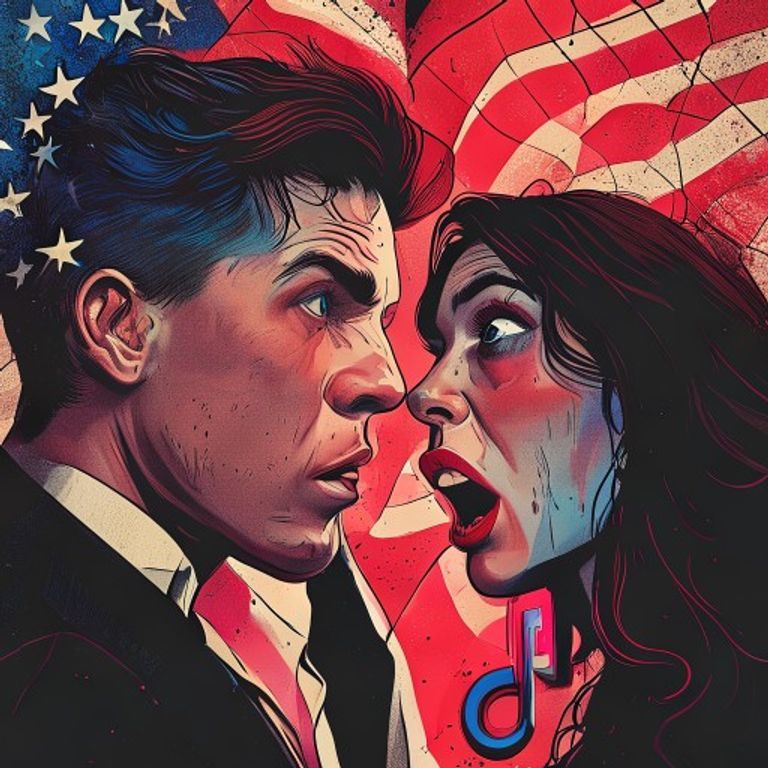
What Love Hate Or Fear It Tiktok Has Changed America Means Today
The biggest shift is discovery. On TikTok, you don’t need a big following to matter. A clip with strong hooks, a clear face, or a weirdly satisfying sound can travel farther than a polished ad. That’s why small businesses, comedians, musicians, and local creators treat the app like a lottery ticket with rules. And yes, there are rules, just not the old kind.
One rule is simple: the first second matters. Another is emotional punch. People tap, pause, replay, and share when a video makes them feel something quickly, whether that’s surprise, envy, delight, or anger. In my experience, the app doesn’t just reflect taste, it trains taste. You start expecting faster edits, sharper captions, and less patience for long setup. That spills into online shopping, news habits, and even how people watch short-form video elsewhere.
And this is where the “love hate or fear it” part gets real. Fans love the creativity and the endless stream of useful tips. Critics hate the time sink and the way outrage can spread like spilled soda on a subway seat. Some parents fear what their kids absorb. Some teachers fear the shrinking attention span. Some brands love the sales. Others quietly panic when a single bad video turns into a comment pile that won’t quit.
A tiny story. I once watched a friend spend 20 minutes trying to find a pasta recipe she had seen on her phone the night before. She never found the original creator, but she did end up buying three pantry items she hadn’t planned to buy. That’s the quiet power here. The app often doesn’t need to convince you with a hard sell. It just nudges. Then another nudge. Then a cart checkout.
Love Hate Or Fear It Tiktok Has Changed America also shows up in politics and public debate. Campaign messages, protest clips, and fast commentary can all travel far without the old gatekeepers. That sounds democratic, and sometimes it’s. Yet speed can flatten context. A 12-second clip may be enough to start a conversation, but not enough to understand it. In digital culture, that gap matters a lot.
What I've noticed is that people now trust “I saw it on my feed” the way they once trusted “I read it in the paper.” That’s a huge cultural shift. It changes how rumors spread, how products go viral, and how authority gets challenged. If a doctor, reporter, or professor can’t speak in a crisp, human way, the feed often moves on without them.
The platform also reshaped the creator economy. A polished studio isn’t required. A phone, a good angle, and some persistence can be enough. But that freedom has a cost. Creators feel pressure to post often, react quickly, and perform a version of themselves that the algorithm seems to reward. What looks casual from the outside can feel exhausting from the inside. Been there? Maybe not exactly, but anyone who has chased a trending format knows the grind.
And here’s the contrarian take: TikTok isn’t just making America more distracted. It’s making people more visually literate, more trend-aware, and sometimes more willing to learn from strangers. A five-part explainer on a tax issue or a history topic can reach people who’d never open a textbook. That doesn’t make it perfect. It makes it powerful.
The hard part is balance. A feed built for attention will always push the stuff that grabs hardest. That can be funny, useful, and addictive all at once. So the real question isn’t whether the platform changed America. It did. The better question is what people, schools, brands, and families do with that change next. Should they fight the app, copy it, or learn to use it with clearer rules?
Love Hate Or Fear It Tiktok Has Changed America also intersects with language, taste, and identity. Slang moves faster. Micro-trends peak and die in days. Music labels watch the app closely because one clip can lift an old song back into the charts. That sounds chaotic, and it’s. But chaos has a pattern when enough people are watching the same screen.
In the end, the app became more than entertainment. It became a habit machine, a storefront, a stage, and a public square. That’s a lot for one product to carry. Maybe too much. But that’s where America is now, and pretending otherwise won’t change the feed.
✅ Advantages
The biggest advantage is reach. A good idea can spread fast, and small creators can compete with major accounts without a huge budget. That’s rare. And it’s why so many people keep testing the platform even when they roll their eyes at it.
It also helps people learn in quick, practical bursts. I’ve seen users pick up cooking tricks, fitness cues, language tips, and job advice in under a minute. The algorithm is picky, but when it works, it can surface useful content you didn’t know you needed.
Another plus, it gives ordinary people a voice. A local shop owner, a nurse, or a student can tell a story that reaches far beyond their neighborhood. That kind of access changes who gets heard. Love Hate Or Fear It Tiktok Has Changed America partly because it widened the door.
⚠️ Disadvantages
The downside is just as big. The same speed that spreads good ideas also spreads bad ones, and bad information often travels faster. A half-true clip can look convincing because it’s short, emotional, and repeated often.
It can also drain time without warning. Many users open the app for five minutes and lose half an hour. Honestly, that’s not a moral failure, it’s design. But the result is the same: less focus, more drift, and sometimes worse sleep.
There’s also pressure to perform. Creators can feel like they need to be funny, polished, and available all the time. What I've noticed is that this can flatten personality into a brand. And once that happens, burnout isn’t far behind.
How to Get Started
2. Follow a few reliable accounts first. Mix creators, news sources, and niche experts. Don’t build your feed on chaos alone.
3. Watch what repeats. If a topic keeps appearing, check it against official sources or a trusted article before sharing it.
4. Make short notes on what grabs you. Was it the sound, the edit, the joke, or the claim? That teaches you how the feed works.
5. Post or save with intention. If you’re a creator, test one format for a week. If you’re a viewer, set a stop time. Otherwise the scroll wins, every time.
6. Revisit your feed monthly. Trim accounts that waste your time and keep the ones that actually help. Simple, not easy.
Frequently Asked Questions
A: Because the platform changed how people discover music, products, jokes, and opinions. It’s not just an app anymore, it’s part of daily habits.
Q: Is it mostly good or mostly bad?
A: Neither. It’s useful and distracting, creative and messy. That mix is why the debate never ends.
Q: Does it only matter to young people?
A: Not at all. Parents, teachers, marketers, and politicians all feel the effects. The audience is broader than the stereotype.
Q: How do I avoid getting overwhelmed?
A: Set a time limit, follow fewer accounts, and check claims before you share them. Small rules make a big difference.
Q: Can it help my business?
A: Yes, if you can explain what you offer quickly and clearly. But you’ll need consistency, not just one lucky post.