
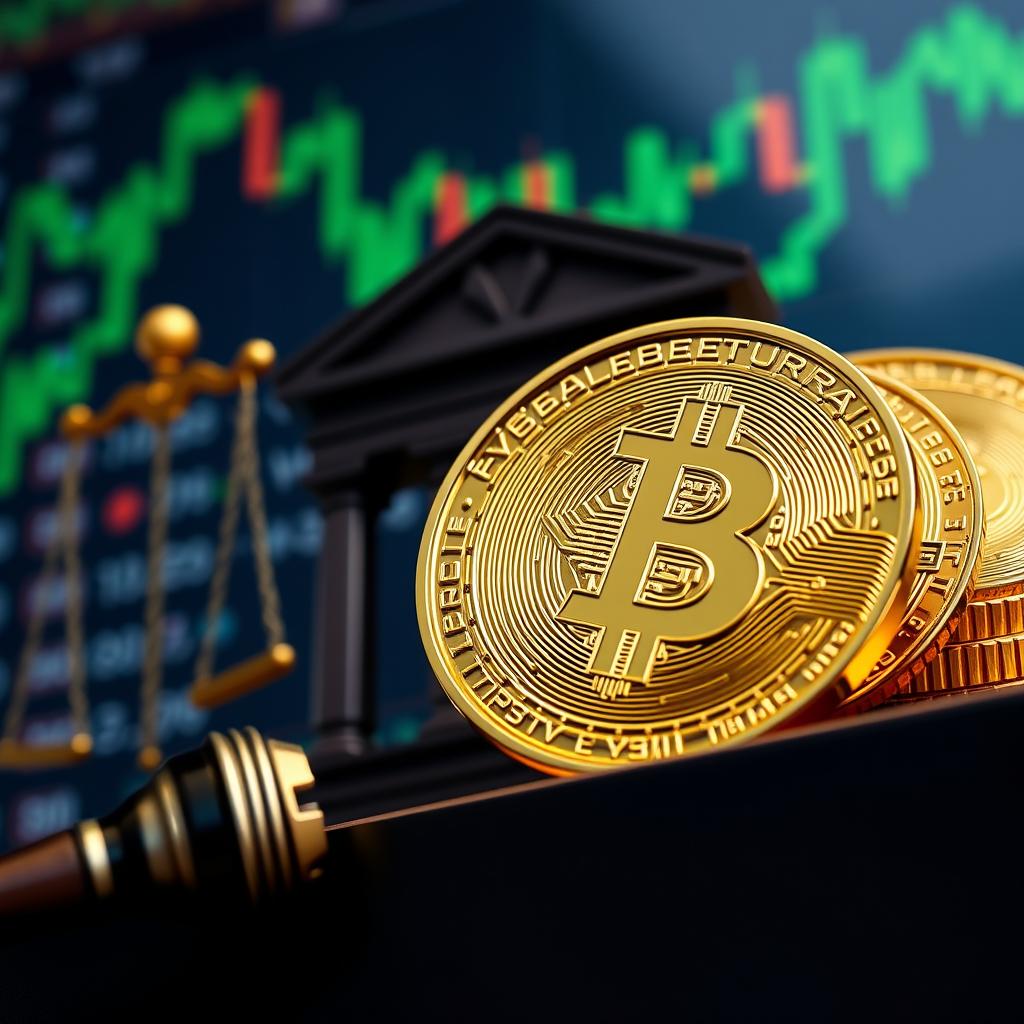
Overview
Courts, crypto, and the stocks-versus-bonds question
The first issue is purpose. Securities and Exchange Commission lawyers usually ask whether buyers expect profit from someone else's work. That's the old securities test. If a project sells a token with promises about future development, it starts to look like an investment contract. If the token mainly moves value from person to person, the case gets murkier.
And that's where the Howey Test keeps showing up. It comes from a Supreme Court case about orange groves, which sounds odd until you realize the logic is simple: people invest money, expect profit, and depend on a promoter's efforts. Crypto lawyers love to argue over that third part. Is the network truly decentralized, or is there still a company steering the ship? A small difference. Huge legal consequences.
I remember talking with a trader who bought a token because the white paper looked polished and the founders were on podcasts every week. He didn't care about decentralization. He cared that the price might jump by Friday. That mindset is exactly why courts keep asking whether Is Cryptocurrency Like Stocks And Bonds Courts Move Closer To An Answer matters for real people, not just lawyers in suits.
Yet crypto isn't only about speculative upside. Some digital assets work more like payment systems, where speed and transferability matter more than dividends or coupons. Others may share a few features with bonds, especially when a project promises yield, staking rewards, or fixed returns. But those similarities can be shallow. A bond is a debt instrument. A token usually isn't. That's the catch.
So what are judges actually doing? They're looking at facts, not slogans. Who issued the asset? Who promotes it? What did buyers reasonably expect? Was there a central company, a foundation, or a loose network? The same token can even be treated differently at different times. Early on, it may look like a fundraising device. Later, after a network becomes more distributed, it may look less like a security. Messy? Absolutely. Common? Also yes.
What I've noticed is that people want one clean answer, like crypto is either stocks, bonds, or money. That's too tidy. In real life, crypto lives in the cracks between categories. Bitcoin often gets discussed differently from newer tokens because there's no central issuer making promises. Some stablecoins feel closer to cash-like tools, but they raise their own regulatory issues. And utility tokens, the kind tied to access or services, sit in yet another lane.
The courts are moving because agencies and companies keep colliding. Regulators want investor protection. Builders want room to innovate. Exchanges want certainty. Users just want to know if they can buy, sell, and hold without stepping on a legal landmine. That tension is why Is Cryptocurrency Like Stocks And Bonds Courts Move Closer To An Answer keeps coming back in lawsuits, hearings, and policy debates.
A contrarian view? The biggest value of the court fights may not be final clarity. It may be forcing the market to label products honestly. If a token acts like a bet on a team of insiders, maybe it should be treated like one. If it acts like infrastructure, maybe the law should reflect that. Simple idea. Hard execution.
The practical test for everyday investors is less glamorous. Ask who controls the project, what you actually own, and where the return is supposed to come from. If the pitch sounds like "buy now, prices will rise because we say so," that's a warning sign. If the network has broad use and no central profit engine, the picture changes. Still, no label removes risk. Not even close.
And if you're comparing crypto with investment risk, keep this in mind: stocks and bonds come with long-standing disclosure rules, reporting standards, and legal history. Crypto is still building that scaffolding. So when someone asks Is Cryptocurrency Like Stocks And Bonds Courts Move Closer To An Answer, the honest reply is yes, closer, but not finished. The law is drawing lines one case at a time. That means investors need to read the facts, not the hype.
✅ Advantages
If courts continue clarifying Is Cryptocurrency Like Stocks And Bonds Courts Move Closer To An Answer, investors could get more predictable rules. That helps exchanges, founders, and everyday buyers make better decisions. What I've noticed is that clarity usually lowers panic. It can also make bad actors easier to spot.
Another upside is better labeling. When a token is clearly treated like a security, a commodity, or a payment tool, people know what they're buying. And that matters. A Tuesday morning purchase should come with fewer surprises, not more.
There’s also a market benefit. Honest projects can stand out when the legal fog starts to lift. In my experience, cleaner rules reward the builders who actually ship useful products instead of just selling headlines.
⚠️ Disadvantages
The downside is that the answer may stay split for a long time. Courts don't move like product teams, and crypto changes fast. So Is Cryptocurrency Like Stocks And Bonds Courts Move Closer To An Answer can still leave users with patchwork rulings, not one neat rule.
That uncertainty can chill innovation. Small teams may avoid launching in the U.S. because they can't tell whether a token sale will trigger enforcement. And big firms spend money on lawyers instead of code. Frustrating? Definitely.
There's also a real risk of overbroad treatment. If every token gets squeezed into the same bucket, useful networks could be regulated like old-school investment products even when they don't behave that way. That would be a bad fit, and everyone knows it.
How to Get Started
2. Read the project’s own documents. White papers, terms, and disclosures usually reveal who controls the network.
3. Check whether returns depend on a central team. That's often the legal pressure point in Is Cryptocurrency Like Stocks And Bonds Courts Move Closer To An Answer.
4. Compare the asset to stocks, bonds, and payment tools. Similarities matter, but so do the differences.
5. Look for third-party references from SEC, CFTC, or court filings when available.
6. Watch how the asset is marketed. Promises of profit can change the legal picture fast.
7. If you're investing, keep position sizes small until the classification is clearer. Plenty of people learn that lesson the hard way, usually after a sharp price swing.
Frequently Asked Questions
A: Yes, but only partly. Courts are getting better at explaining when a token behaves like a security, a commodity, or a payment asset. The line is still fuzzy.
Q: Why do people compare crypto to stocks and bonds?
A: Because some tokens are sold with profit expectations, while others resemble tradable assets or yield-bearing instruments. The comparisons help explain why regulation matters.
Q: Does one ruling settle everything?
A: No. Crypto is too varied for that. One case might cover a specific token, exchange, or sales method, while another asset gets a different result.
Q: What should a beginner look for?
A: Start with control, disclosures, and the source of returns. If the answer depends on a few insiders, treat it carefully. Honestly, that rule saves a lot of headaches.
Q: Is Bitcoin treated the same as every other crypto asset?
A: Not usually. Bitcoin is often discussed differently because it doesn't rely on a central issuer in the same way many newer tokens do.