Overview
Simple smart tools that make solo living safer
Start with the emergency layer. A medical alert device is still one of the most practical purchases because it does one job well. Many models have a button to summon help, and some now include automatic fall detection. That matters. A person can be dizzy, slip in the kitchen, and still not be able to reach a phone. I've seen families spend thousands on gadgets, then end up relying on the cheapest pendant because it was worn every day.
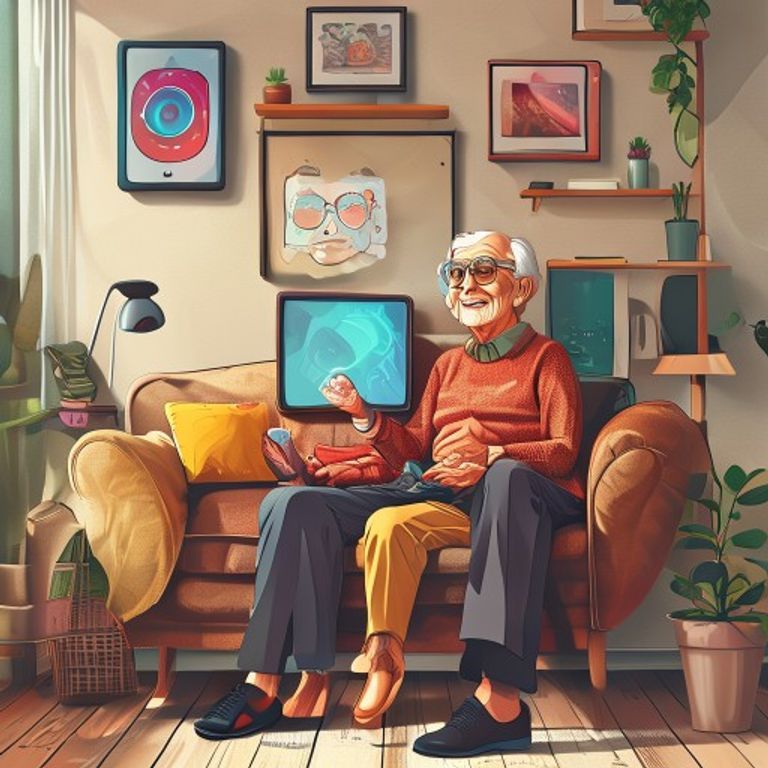
But don't stop there. Add a smart speaker or display that responds to voice commands. Asking for the weather, a timer, a phone call, or a medication reminder is easier than tapping a tiny screen. For someone with arthritis, shaky hands, or low vision, voice control can turn a frustrating morning into a manageable one. And yes, it can feel a little awkward at first. Then it becomes muscle memory. "Turn on the lamp" is a lot nicer than stumbling down a dark hallway.
Lighting is the next big win. Motion-sensor night lights in the bedroom, bathroom, and hall are cheap and genuinely useful. People underestimate nighttime falls because the house feels familiar, then suddenly the rug edge, the dog bowl, or a bathroom threshold becomes a problem at 2 a.m. Honestly, this is where the best smart devices for seniors living alone stay safe and independent earn their keep. Bright light at the right moment prevents dumb accidents.
Then there are smart plugs and smart thermostats. They sound minor, almost dull. That's the point. A smart plug can turn a lamp on and off without bending or reaching behind furniture. A smart thermostat can help keep the home comfortable without constant manual tweaking. If a senior tends to forget whether the heat is on, or struggles to read a tiny wall unit, this is real relief. And if a caregiver wants to check that the home isn't getting too hot or too cold, that's another quiet benefit.
Medication support matters too. A digital pill dispenser, a talking reminder, or even a simple connected alarm can cut down on missed doses. In my experience, the best medication tool is the one that fits the person, not the one with the longest feature list. Some people want a weekly organizer with a loud alarm. Others prefer a voice reminder from a Amazon Alexa routine. Keep it simple. If the person has to fight the tool, the tool will lose.
Security is another piece of the puzzle. A video doorbell, smart lock, or door sensor can help a person check who's outside before opening the door. For seniors living alone, that can reduce anxiety as much as it improves safety. A neighbor once told me her father stopped answering the door to strangers after he got a doorbell camera, because he finally felt in control. That feeling matters. Not every upgrade is about emergencies. Some are about peace of mind.
But don't treat cameras like a cure-all. They can be useful, sure, but only if the person is comfortable with privacy and notifications. Too many alerts can be annoying, and too many apps can become chaos. One good camera is plenty for most homes. Maybe two, if the front and back entrances both matter.
Health monitoring has also become easier. A smartwatch or fitness band can track steps, detect irregular heart patterns on some models, and remind the wearer to stand up or move. It won't replace a doctor. It can still provide a useful heads-up, especially for someone who lives alone and wants a little extra backup. What I've noticed is that these devices help most when they’re worn consistently. Fancy specs mean little if the charger stays in a drawer.
Connectivity matters more than people think. A strong Wi-Fi network, a reliable charging station, and a backup battery for key devices can keep the whole setup useful during a power outage or router hiccup. If the alert button can't connect, it's just jewelry. That's a harsh way to put it, but it's true. Test the system on a Tuesday morning, not during a crisis.
If budget is tight, start with the highest-risk problem. For one person, that's falls. For another, it might be medication. For another, it could be medication and hearing, because spoken alerts don't help if the volume is too low. The goal isn’t to buy everything. The goal is to remove the biggest daily risks with the fewest moving parts.
A good rule: buy for the person, not the product category. A retired teacher who loves routines may enjoy reminders, timers, and a voice assistant. A private person who hates screens may want only a pendant, motion lights, and a doorbell camera. And someone who already uses an iPhone may do well with built-in accessibility features before buying extra gear.
This is where the phrase Best Smart Devices For Seniors Living Alone Stay Safe And Independent really means something practical. Independence doesn't come from having more gadgets on the table. It comes from having fewer worries in the back of the mind. That's the real win.
✅ Advantages
The biggest advantage is reassurance. A senior can stay in their own home while still having a way to call for help, see visitors, and avoid common mistakes like leaving lights off at night. That's huge.
Another plus is simplicity. Many of the best smart devices for seniors living alone stay safe and independent are easy to learn once, then use every day with almost no effort. A voice assistant can lower the barrier even more.
And there's a family benefit too. Loved ones worry less when they know the home has alerts, reminders, and safer lighting. Frankly, that calm is worth a lot. It doesn't solve everything, but it changes the tone of daily life.
⚠️ Disadvantages
The main drawback is overload. Too many apps, too many passwords, and too many notifications can frustrate anyone, especially someone who didn't grow up with connected devices. A simple setup beats a flashy one.
Cost is another issue. A good medical alert device, smart speaker, and camera can add up fast if you buy everything at once. And some devices need monthly fees, which people often miss at the start.
Privacy can also be a concern. Cameras, microphones, and location tools help, but not everyone wants that level of monitoring. In my experience, the best plan is one the senior feels comfortable using. If they resent it, they won't stick with it.
How to Get Started
2. Choose one simple hub, usually a smart speaker or phone-based system, and make sure the person can use it easily.
3. Add one emergency tool, like a medical alert device with fall detection if needed.
4. Install motion lights in the bedroom, bathroom, and hallway. Small fix, big payoff.
5. Set up reminders for medication, appointments, and charging. Keep the language plain.
6. Test everything together for a full day. If a device confuses the user, change it now, not later.
7. Teach one backup person how it works. A neighbor, daughter, son, or friend should know the basics. That little step can save a lot of stress.
Frequently Asked Questions
A: The most useful ones are a medical alert device, a smart speaker, motion-sensor lights, and a camera or door sensor if needed. Start with the biggest risk, then add from there.
Q: Do seniors need a smartphone to use these devices?
A: Not always. Some tools work on their own, and others use voice control or a simple hub. But a smartphone can help a caregiver manage settings.
Q: Are these devices hard to learn?
A: The simple ones aren't. The trick is keeping the system small. One or two easy tools usually work better than a full smart-home setup.
Q: What's the first thing I'd buy?
A: For most people, it's a medical alert device or better lighting. That depends on the home and the person's habits.