Overview
Why Online Shopping Is Tanking Your Mental Health in Daily Life
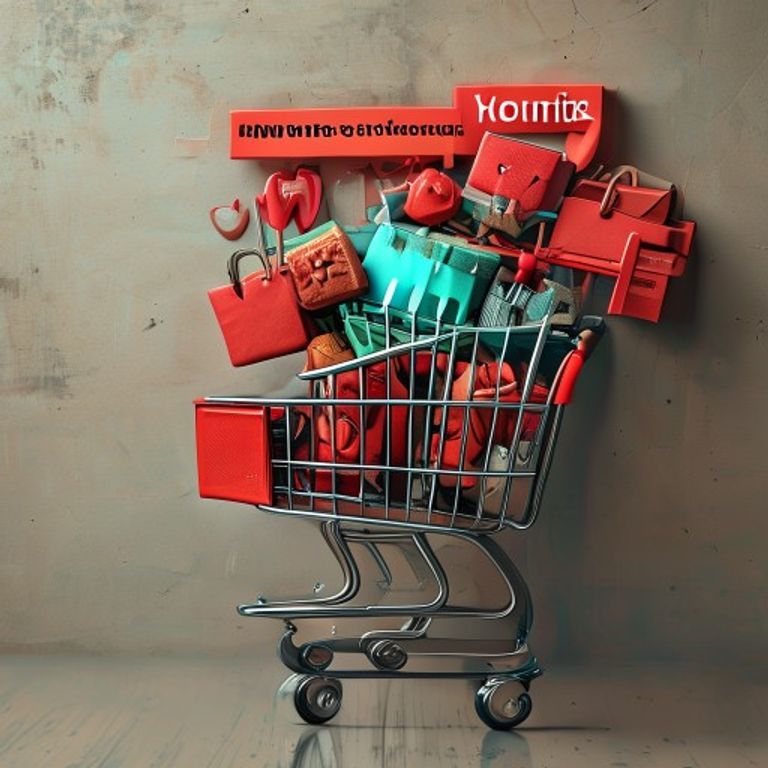
The first problem is emotional shopping. You feel lonely on a Tuesday night, and a cart full of candles, socks, or kitchen gadgets suddenly looks like therapy. Been there. I once bought a “life-changing” desk lamp after a rough week, then never even used the color settings. The item wasn't the point. The mood was. And that's the trap.
A lot of people think the harm is just overspending, but the mental strain starts earlier. Every browse session creates a tiny decision storm. Compare prices. Read reviews. Check shipping. Recheck sizes. That's decision fatigue in plain clothes, and it leaves your brain dull, not refreshed. By the time you close the tab, you're already tired.
Then there's social media shopping. A reel shows a perfect apartment, a perfect outfit, a perfect skin routine, and suddenly your own room looks unfinished. Frankly, that's a rough setup for anyone with anxiety. The feed doesn't just sell products. It sells dissatisfaction. And dissatisfaction is sticky.
And let's talk about targeted ads. These aren't random billboards. They follow you from site to site, turning one casual look into a week of reminders. You'll search for running shoes once, then see them in every corner of your digital life. It's like having a clerk whispering in your ear all day. Helpful? Not really. Creepy? A little.
The mental health hit often shows up as guilt. You buy something, then hate yourself for it. Or you don't buy it, then keep thinking about it anyway. That split matters. It makes your brain treat shopping like a problem you failed to solve, which is exhausting. In my experience, guilt is worse than the price tag.
There's also the comparison effect. Someone else has the cleaner kitchen, the better chair, the smarter gadget. So you buy a little more, hoping the next thing will close the gap. It rarely does. The gap just moves. And because the internet never sleeps, the gap never stops talking.
But here's a contrarian take: online shopping isn't evil by itself. Sometimes it helps people save time, compare options, or get basics delivered when life is chaotic. The issue is when it's your default response to boredom, stress, or loneliness. That turns a tool into a coping habit. Big difference.
Your phone also plays a role in sleep. Late-night browsing keeps your mind alert, especially when you're already tired. One more product. One more review. One more cart. Then it's 1:12 a.m. and your brain is humming. National Sleep Foundation advice is clear about keeping screens from hijacking bedtime, and this is exactly why. Sleep loss makes emotions louder the next day.
What makes Why Online Shopping Is Tanking Your Mental Health in 2026 especially sharp is the speed. Old-school shopping took effort. You had to leave the house, park, walk, wait. Now the friction is gone, and that makes self-control harder. So the real question isn't whether you can resist. It's whether the app gives you enough room to think.
A small story: a friend of mine started by “just browsing” during lunch breaks. Three months later, she had three open returns, a credit card balance she didn't expect, and a weird sense that her apartment still wasn't good enough. She didn't need more stuff. She needed fewer triggers. That's the part most people miss.
So what helps? Start by noticing your patterns. If you shop after bad news, after arguments, or when you're bored, that's your cue. Not a moral failure. A signal. Then cut the easy loops. Remove saved cards. Unfollow stores. Turn off push alerts. Small annoyances can save you from big regret, and that matters more than it sounds.
✅ Advantages
There are a few real advantages to online shopping, even if Why Online Shopping Is Tanking Your Mental Health is the bigger story here. It saves time, gives you more choices, and helps you compare prices without dragging yourself through five stores. For people with mobility limits, home delivery is more than convenient, it's essential. And when you use it with rules, it can feel calm instead of chaotic. What I've noticed is that planned shopping usually feels better than spontaneous shopping.
⚠️ Disadvantages
The downside is that Why Online Shopping Is Tanking Your Mental Health can get louder every week. It encourages impulse buying, which can lead to guilt, clutter, and money stress. endless scrolling keeps your attention hooked, and one-click checkout makes it too easy to skip the pause your brain needs. Honestly, the worst part is how ordinary it feels. One small order becomes another, then another. Soon your mood depends on the next package, and that's a shaky place to live.
How to Get Started
2. Add friction. Remove saved payment cards, log out after each session, and turn off sale alerts. A tiny delay can break the spell.
3. Set a short shopping window. Ten minutes is enough for most basics. And if you still want it tomorrow, look again.
4. Build a replacement habit. Walk, text a friend, make tea, or clean one drawer. It sounds boring. It works.
5. Review one week of purchases. Spot the emotional buys, the useful buys, and the regret buys. In my experience, this one step changes everything.
6. If you use budget apps, connect them to your spending goals so the numbers stop being abstract.
Frequently Asked Questions
A: Because it mixes emotion, convenience, and constant temptation. The buying is fast, but the regret can last.
Q: Is all online shopping bad?
A: No. Planned shopping can be practical and even calming. The trouble starts when it becomes your go-to coping tool.
Q: What are the warning signs?
A: Hidden credit card charges, late-night browsing, buying to feel better, and shame after checkout. Those are red flags.
Q: How can I shop without feeling awful?
A: Use a list, set a budget, and wait 24 hours before nonessential buys. That pause helps a lot.
Q: Does social media make it worse?
A: Yes. It keeps products in your face and makes other people's lives look more polished than yours. That pressure adds up.