Overview
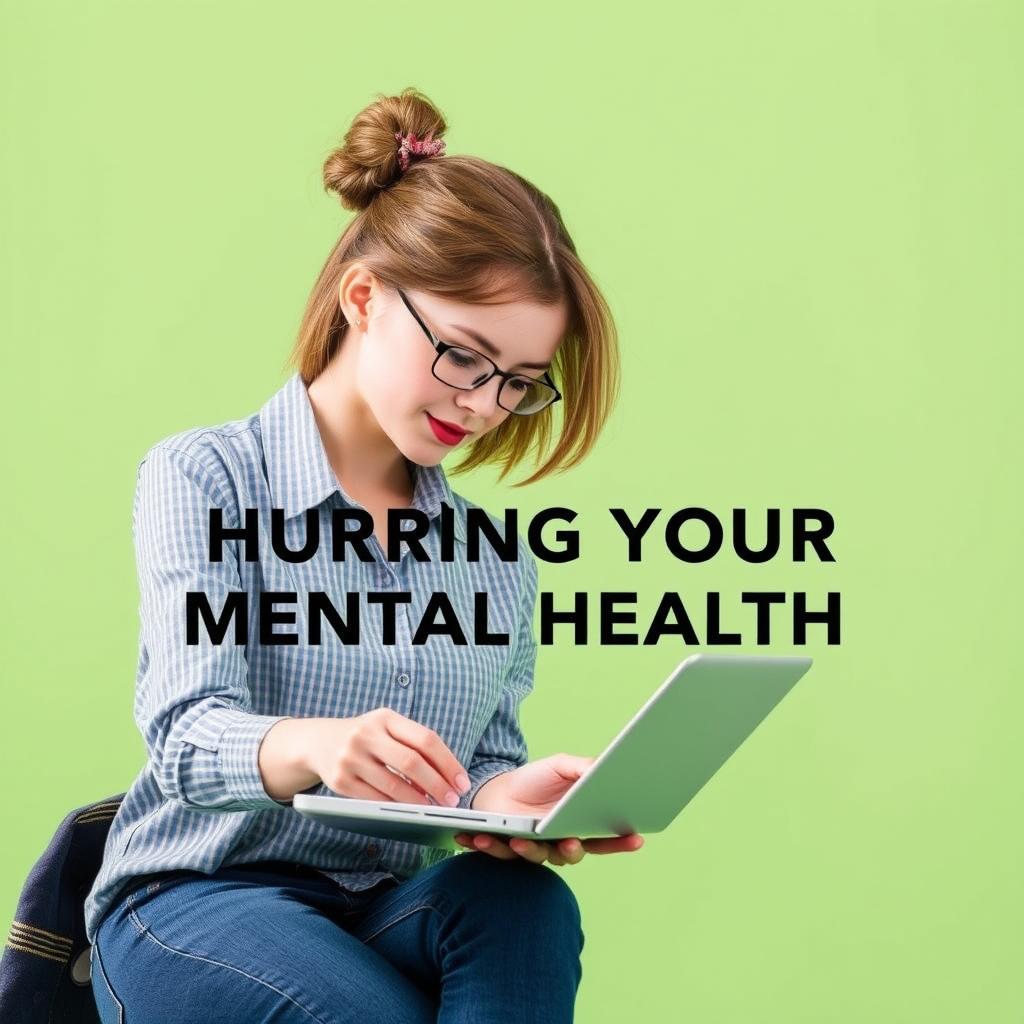
Why Online Shopping Is Tanking Your Mental Health in 2026
And here’s the part people miss. Shopping used to have natural brakes. You had to drive somewhere, stand in line, and face the awkwardness of carrying a weird purchase home. Now the pause is gone. One tap, and the item is “on the way.” In my experience, that speed can feel freeing for five minutes and awful for five hours. You get a package, sure. You also get the emotional bill.
The mental drain usually starts before the purchase. Endless scrolling creates comparison fatigue, which is just a fancy way of saying your brain gets tired from too many choices. You see better shoes, better couches, better mugs, better skin, better lives. Frankly, that’s exhausting. social media ads make it worse because they blur entertainment and shopping until every video feels like a storefront. And when Instagram or TikTok keeps showing you the same “must-have” item, it stops feeling like a suggestion and starts feeling like pressure.
There’s also the money side, and it hits harder than people admit. Small purchases don’t feel dangerous. Ten dollars here, 24 dollars there. Then the monthly statement lands like a brick. That’s where guilt sneaks in. A few cheap orders can trigger the same shame as one big splurge, especially if you were already stressed, lonely, or bored. I’ve seen friends buy a lamp, a sweater, and kitchen gadgets just to cheer themselves up after a rough week. The packages arrived. The mood didn’t. Not for long.
Why Online Shopping Is Tanking Your Mental Health also connects to decision fatigue, which means your brain gets worse at choices after making too many of them. By the time you’re choosing shipping speeds, color options, warranties, and coupon codes, your self-control is leaking out the bottom. So you click “buy now” just to end the headache. Then comes the after-feeling: regret, second-guessing, and a nasty little loop of checking tracking updates every few hours. That’s not shopping anymore. That’s a nervous habit with packaging.
And let’s talk about the dopamine piece without turning it into internet mythology. Dopamine isn’t a magic happiness chemical. It’s more like a “go get it” signal. Shopping apps know this. Flash sales, countdown timers, “only 2 left,” and free-shipping thresholds are all designed to create urgency. Honestly, the trick works because it makes your brain feel like it’s solving a problem. But the problem often didn’t exist until the app invented it.
What makes this harder in 2026 is that shopping is now mixed into daily life. You can buy dinner ingredients, a phone charger, and a birthday gift while waiting for a bus. Convenience is real. So is the cost. And the cost isn’t always financial. It’s the mental clutter. More packages means more returns, more trash, more boxes by the door, more stuff to store, and more decisions later about whether you really need any of it. One reader told me she started hiding packages from herself until the weekend because opening them instantly killed the excitement. Weird? Maybe. Effective? Absolutely.
If you want to understand why Online Shopping Is Tanking Your Mental Health, start with the emotional pattern, not the receipt. Ask what was happening before the click. Were you tired? Were you avoiding work? Did a bad day send you hunting for a mood lift? Those questions matter more than the brand of the item. What I've noticed is that most people don’t have a shopping problem first. They have a coping problem.
The good news is you don’t need to quit online shopping cold turkey. That usually backfires. Better to build speed bumps. Remove saved cards. Turn off push alerts. Unfollow accounts that turn every post into a product pitch. And use a 24-hour wait rule for anything nonessential. That one simple pause can break the spell. Not always, but often enough to matter.
There’s also a practical identity shift here. Stop thinking of yourself as “bad with money” or “weak-willed.” That story gets old fast. Think of yourself as someone protecting attention. Because that’s the real asset. If an app can push you into ten minutes of anxious scrolling, it can shape your mood for the whole evening. And once you see that clearly, the purchase starts looking less like self-care and more like a trap wearing a cute thumbnail.
✅ Advantages
Online shopping still has real benefits, even while Why Online Shopping Is Tanking Your Mental Health gets worse for some people. It saves time, helps you compare prices, and can make hard-to-find items easier to get. For people with mobility limits, busy schedules, or no nearby stores, that matters a lot. In my experience, the best part is control: you can shop at 10 p.m. in pajamas and skip the parking lot drama. That’s not nothing. Used wisely, online shopping can reduce stress instead of creating it.
⚠️ Disadvantages
The downside is the emotional aftershock. Why Online Shopping Is Tanking Your Mental Health often shows up as guilt, clutter, and compulsive checking. Apps are built to nudge you with push notifications, countdown deals, and endless recommendations. And that can turn a quick errand into a loop of comparison and regret. compulsive buying can also crowd out better habits, like sleep or exercise. Frankly, the worst part is how normal it feels. One harmless cart today, a drained wallet tomorrow.
How to Get Started
2. Remove easy access. Delete saved cards, log out after each session, and turn off alerts from shopping apps. That little friction helps more than people expect.
3. Set a waiting rule. For nonessential items, wait 24 hours before buying. If you still want it tomorrow, fine. If not, you just saved cash and stress.
4. Clean up the feed. Unfollow pages that push constant product recommendations. Less noise means fewer urges.
5. Track the feeling, not just the spending. Ask, did this purchase help, or did it spike buyer's remorse? That answer gets honest fast.
6. Replace the habit. When the urge hits, walk, text a friend, or make tea. Boring? Maybe. Effective? Absolutely.
Frequently Asked Questions
Q: Is online shopping itself the problem?
A: Not always. The problem is the pattern, especially when shopping becomes a response to stress, loneliness, or boredom. Useful tool, risky habit.
Q: What’s the first change I should make?
A: Turn off notifications and remove saved payment methods. Those two steps cut a lot of impulse buys right away.
Q: Can I still shop online without feeling bad?
A: Yes. Set rules, buy with intent, and keep your feed clean. If you shop with a list, it feels less like impulse buying and more like a task. Ever notice how much calmer that’s?