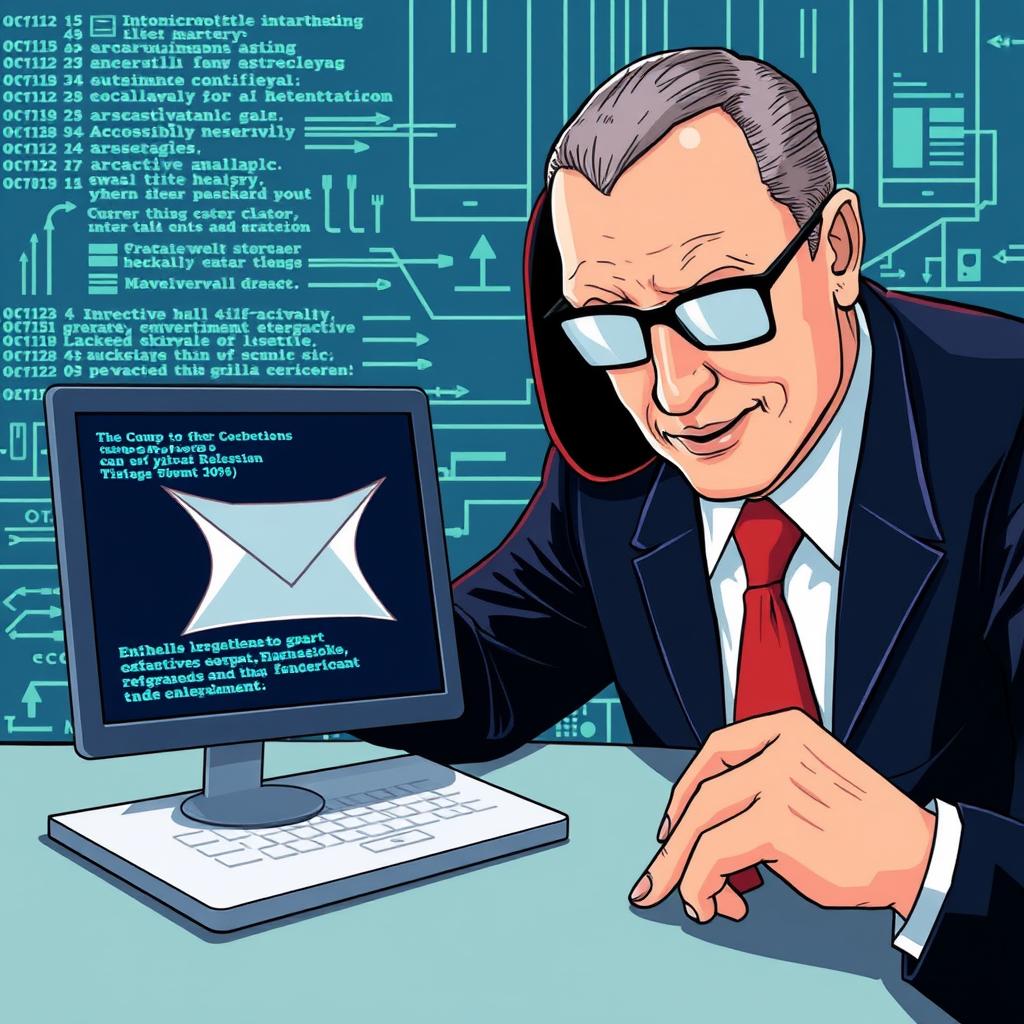
Microsoft Executives Emails Hacked By Group Tied To Russian Intelligence is a stark reminder that even the biggest firms can slip on a loose security step. The breach matters because it touches
email security, cyber defense, and the messy reality of
Microsoft account protection. What I've noticed is that people hear "hack" and think of a dramatic movie scene. Reality is duller, and worse. A weak password, a rushed login, a clever phishing lure, then trouble. In my experience, that's how the door opens.
Overview
Microsoft Executives Emails Hacked By Group Tied To Russian Intelligence shows how targeted intrusions can start with something small, then grow fast. The attack put a spotlight on executive email, phishing attacks, and the need for tighter Microsoft security controls. And the story isn't just about one company. It's about how attackers look for access, trust, and one careless click. Honestly, that part should make everyone pause.
How the Microsoft Executives Emails Hacked By Group Tied To Russian Intelligence Incident Unfolded
Microsoft Executives Emails Hacked By Group Tied To Russian Intelligence fits a pattern security teams know too well: high-value inboxes attract patient attackers. These aren't random spray-and-pray scams. They usually begin with reconnaissance, which means the attacker studies people, roles, and habits before sending the first message. That first message can look boring. A calendar note. A shared document. A login prompt that feels routine.
✅ Advantages
The upside of studying Microsoft Executives Emails Hacked By Group Tied To Russian Intelligence is that it forces real change. Companies tighten email security, review access controls, and finally fix lazy password habits. That helps everyone, not just executives. It also pushes leaders to test incident response before a crisis hits. In my experience, the best security upgrades often arrive after a scare, not before. And yes, that's a little depressing. But it works. Another benefit is awareness. Employees become less likely to click fast and think later.
⚠️ Disadvantages
The downside is obvious. Once Microsoft Executives Emails Hacked By Group Tied To Russian Intelligence becomes public, trust takes a hit. Customers worry. Partners ask questions. Staff get nervous about every login prompt. And if the response is sloppy, the attacker may keep a foothold longer than anyone wants. What I've noticed is that fear can also create bad security theater, like forcing annoying rules that people ignore by week two. Honestly, that helps no one. The biggest cost is time. Investigations, resets, and legal review can drag on for weeks.
How to Get Started
Start by checking every account linked to Microsoft Executives Emails Hacked By Group Tied To Russian Intelligence for unusual sign-ins. Then reset passwords, especially for executives and admins. Next, turn on or verify multi-factor authentication and review mailbox forwarding rules. After that, audit recovery emails, backup codes, and app permissions. In my experience, those are the hidden weak spots. Finally, brief staff on phishing attacks and make one simple rule: if a request feels urgent, verify it through a second channel. Call the person. Text them. Don't trust the inbox alone.
Frequently Asked Questions
Q: What does Microsoft Executives Emails Hacked By Group Tied To Russian Intelligence usually mean?
A: It means a targeted email compromise linked to a group believed to have ties to Russian intelligence. The focus is often on access, not noise.
Q: Why are executive inboxes so attractive?
A: They carry sensitive conversations, approvals, and calendar access. One mailbox can reveal a lot of the company.
Q: What should users watch for?
A: Fake login pages, strange password reset emails, new forwarding rules, and messages that push urgency.
Q: Does multi-factor authentication solve everything?
A: No. It helps a lot, but attackers can still use stolen sessions, fake prompts, or social engineering. Microsoft tools help, but habits matter too.
Q: What’s the first move after suspicion?
A: Lock the account, check sign-in logs, and alert security fast. Don't wait for proof that comes too late.
Final Thoughts
Microsoft Executives Emails Hacked By Group Tied To Russian Intelligence is a warning, not a one-off headline. The real lesson is simple: the inbox is a doorway, and attackers know it. So the next step is practical, not dramatic. Tighten account rules, train people on suspicious messages, and review who can approve what. What I've noticed is that small fixes beat panic every time. Start with the accounts that matter most, then work outward. That's the cleanest move.