• Privacy Policy
  • Contact us
  • Terms
Magazine X Time
  • Home
  • News
  • Tech
  • Lifestyle
  • All Magazines
No Result
View All Result
Magazine X Time
  • Home
  • News
  • Tech
  • Lifestyle
  • All Magazines
No Result
View All Result
Magazine X Time
No Result
View All Result
Home Tech Artificial Intelligence

The Friar Who Became the Vatican’s Go-To Guy on AI

Magazine X Time by Magazine X Time
July 28, 2026
in Artificial Intelligence
0 0
0
The Friar Who Became the Vatican’s Go-To Guy on AI
ADVERTISEMENT
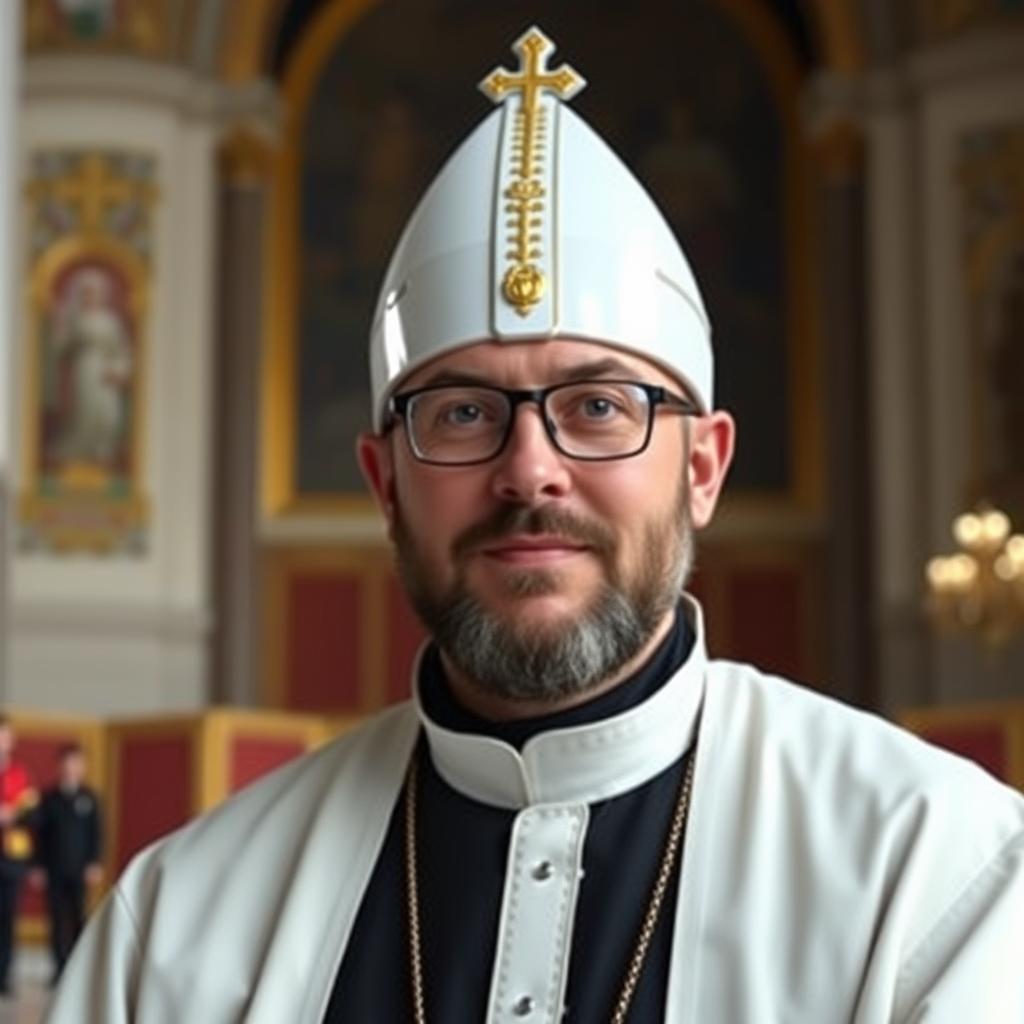
The Friar Who Became The Vaticans Go To Guy On A I shows how a monk can become a bridge between faith and artificial intelligence without losing his human voice. And that's the real story, not the headline. He represents a shift inside the Church, where old questions meet technology in a very practical way. In my experience, the most interesting change isn't flashy software, it's who gets trusted to explain it. Here, that role lands on a friar. Frankly, that's more telling than any press release.

Overview

The Friar Who Became The Vaticans Go To Guy On A I is about trust, translation, and modern guidance. He helps turn complex ai tools into plain language that clergy and staff can use. And that matters because institutions don't change through slogans, they change through people. Vatican conversations about Catholic Church values need someone who can speak both technical and spiritual languages. What I've noticed is that this mix can calm fear fast. If you've ever watched a room relax when one smart person explains the basics, you'll get it.

Why The Friar Who Became The Vaticans Go To Guy On A I matters now

The Friar Who Became The Vaticans Go To Guy On A I matters because the Church doesn't just need opinions about AI, it needs translation. Not hype. Not panic. Translation. A friar can do that in a way a consultant often can't, because he already speaks the language of duty, conscience, and daily service. That changes the tone immediately.

What does that look like? Think less about robots preaching sermons and more about everyday decisions. A parish office wants help with scheduling. A bishop wants a clean summary of a long report. A communications team needs to draft a first pass without sounding stiff. That's where automation and careful judgment meet.

And here's the part people miss, the Vatican isn't choosing between faith and tools. It's trying to decide what kind of tools fit a moral life. In my experience, that conversation gets messy when the first question is speed. The better question is, what helps people serve better without pretending machines can replace discernment?

A small story makes this plain. I once watched a nonprofit team test an AI chatbot on a Monday morning. The software answered fast, sure, but it also gave a polished answer that was slightly off. One person spotted the mistake in ten seconds. That tiny miss could've become a bigger problem later. The friar's role is similar, only with higher stakes and a wider audience.

So when people call The Friar Who Became The Vaticans Go To Guy On A I a tech helper, they're underselling him. He's also a cultural interpreter. He can tell church leaders which tools are useful, which ones are risky, and which ones just look clever in a demo. Honestly, that's rare. Most organizations get dazzled by the shiny thing and ask questions later.

There’s also a public trust angle. The Vatican doesn't have to chase every trend, but it does have to speak clearly when a trend starts shaping education, work, and prayer life. A friar in this role gives the message a steadier feel. People may still disagree, yet they're more likely to listen when the messenger doesn't sound like a salesman.

And let's be blunt, AI makes people uneasy for good reasons. It can be useful and slippery at the same time. It can help draft, summarize, and classify, but it can also amplify bias or flatten meaning. That tension is exactly why someone grounded in formation, not just software, matters. The Friar Who Became The Vaticans Go To Guy On A I becomes a kind of filter, not a cheerleader.

What does the Church gain from that filter? First, a clearer path for staff who don't want to become tech experts overnight. Second, a better public explanation of how AI can support, not replace, human judgment. Third, a model for other institutions that are also wrestling with agentic ai, data use, and ethical boundaries. And yes, those questions are bigger than one religious office.

But the real value may be simpler. He helps people ask better questions. Is this tool saving time, or just creating busier work? Does it respect the person using it? Does it fit the mission? I think that's the kind of practical wisdom that wins over time, because it doesn't age as fast as the software does.

The phrase The Friar Who Became The Vaticans Go To Guy On A I also points to something subtle about leadership. Expertise alone isn't enough. Neither is authority alone. The sweet spot is credibility plus patience. That's why a friar can matter in a room full of engineers and policy people. He can slow things down just enough for the right answer to surface.

✅ Advantages

The main advantage of The Friar Who Became The Vaticans Go To Guy On A I is credibility. People trust someone who can explain artificial intelligence without acting like it's magic. He can also make technology feel less cold, which matters in a Church setting where language and tone carry real weight.

And there's a second win, clearer decisions. A trusted guide can help staff sort useful ai tools from flashy distractions. In my experience, that's half the battle. The other half is keeping the mission in view when everyone else is chasing speed.

⚠️ Disadvantages

The downside is obvious: one person can become a bottleneck. If The Friar Who Became The Vaticans Go To Guy On A I is the only voice people hear, the whole process can slow down. That can frustrate teams that want quick answers.

But there's a deeper risk too. When one trusted figure explains everything, people may stop asking hard questions. And if the role becomes too closely tied to a single personality, the system can weaken when that person steps back. Honestly, that's a common problem in institutions. The fix is shared training, not hero worship.

How to Get Started

1. Start by defining the problem. Ask what The Friar Who Became The Vaticans Go To Guy On A I is actually helping with, training, policy, or daily operations.

2. Identify the users. Clergy, communications staff, and administrative teams may need different kinds of help.

3. Pick one small use case. A meeting summary, a draft announcement, or a simple workflow is enough.

4. Set boundaries early. Decide what the tool can touch, what it can't, and who reviews the output.

5. Teach the basics. People don't need to be engineers, but they do need to spot errors, bias, and sloppy wording.

6. Review results often. If it saves time without hurting trust, expand slowly. If it creates confusion, tighten the rules. What works on paper doesn't always work on a Tuesday morning, right?

Frequently Asked Questions

What is The Friar Who Became The Vaticans Go To Guy On A I? It's a way of describing a friar who became a trusted guide on AI for the Vatican and related church work. The phrase points to role, not just title.

Why would the Church need that kind of person? Because Catholic Church leaders need someone who can explain automation, ethics, and practical use without hype. That's a rare mix.

Does this mean the Church is endorsing every new tool? No. The point is discernment. Use what helps, reject what harms, and keep human judgment in charge.

Could other institutions use the same model? Absolutely. Schools, nonprofits, and public offices all need a trusted translator for artificial intelligence. And frankly, most of them are already behind. What would your team do first?



Final Thoughts

The Friar Who Became The Vaticans Go To Guy On A I isn't just a quirky label. It's a sign that serious institutions now need people who can explain AI with calm, values, and real-world sense. And that kind of guide can shape decisions more than any slogan ever will. The next step is simple: build shared rules, pick one useful task, and keep humans in the loop. If you're waiting for perfect clarity, you'll wait forever. Better to start small and learn fast, don't you think?

Like this:

Like Loading…
Previous Post

7 Ways to Deal with Climate Despair and Regain Hope

Magazine X Time

Magazine X Time

Shakil Ahamed — founder of Magazine X Time. Writing about technology, productivity tools, and how-to guides. Knowledge is power; read, build, share.

Leave a Reply Cancel reply

Your email address will not be published. Required fields are marked *

I agree to the Terms & Conditions and Privacy Policy.

  • Trending
  • Comments
  • Latest
Top 9 Highest Paid Athletes In The World

Top 10 Highest Paid Athletes In The World In 2022

February 3, 2022
5 Best Adsense Optimized WordPress Themes Free 2022

5 Best Adsense Optimized WordPress Themes Free 2022

January 31, 2022
20 Health Tips For Healthy Living In 2022

20 Health Tips For Healthy Living In 2022

January 31, 2022
The-Devil-Wears-Prada

Reviving fondness of vogue through reading

June 5, 2026
10 Richest People in the World (2022)

10 Richest People in the World (2022)

6
The-Devil-Wears-Prada

Reviving fondness of vogue through reading

3
20 Health Tips For Healthy Living In 2022

20 Health Tips For Healthy Living In 2022

3
10 Inspirational Technology Quotes

10 Inspirational Technology Quotes

3
7 Ways to Deal with Climate Despair and Regain Hope

7 Ways to Deal with Climate Despair and Regain Hope

July 27, 2026
Some Hospitals Require Masks Again, Will Public Places Follow?

Some Hospitals Require Masks Again, Will Public Places Follow?

July 26, 2026
Dark Corners of the Web Reveal AI’s Nefarious Future

Dark Corners of the Web Reveal AI’s Nefarious Future

July 25, 2026
Six Takeaways From a Contentious Online Child Safety Hearing

Six Takeaways From a Contentious Online Child Safety Hearing

July 24, 2026

Recent News

7 Ways to Deal with Climate Despair and Regain Hope

7 Ways to Deal with Climate Despair and Regain Hope

July 27, 2026
Some Hospitals Require Masks Again, Will Public Places Follow?

Some Hospitals Require Masks Again, Will Public Places Follow?

July 26, 2026
Dark Corners of the Web Reveal AI’s Nefarious Future

Dark Corners of the Web Reveal AI’s Nefarious Future

July 25, 2026
Six Takeaways From a Contentious Online Child Safety Hearing

Six Takeaways From a Contentious Online Child Safety Hearing

July 24, 2026
magazine x time

Welcome to Magazine X Time. You can find the latest news and web-related posts here. Knowledge is Power and reading book is more good for gain knowledge. You can use this like book as well

Follow Us

Browse by Category

  • Apps
  • Artificial Intelligence
  • Business
  • Freelancing
  • Gadget
  • Games
  • Health
  • Lifestyle
  • Mobile
  • Motivational
  • News
  • Science
  • Startup
  • Tech
  • Tips
  • Web
  • WordPress
  • World

Recent News

7 Ways to Deal with Climate Despair and Regain Hope

7 Ways to Deal with Climate Despair and Regain Hope

July 27, 2026
Some Hospitals Require Masks Again, Will Public Places Follow?

Some Hospitals Require Masks Again, Will Public Places Follow?

July 26, 2026
  • Privacy Policy
  • Contact us
  • Terms

All rights reserved © 2026 Magazine X Time · Built by Shakvaro

Welcome Back!

Login to your account below

Forgotten Password?

Retrieve your password

Please enter your username or email address to reset your password.

Log In
No Result
View All Result
  • Home
  • News
  • Tech
  • Lifestyle
  • All Magazines

All rights reserved © 2026 Magazine X Time · Built by Shakvaro

This website uses cookies. By continuing to use this website you are giving consent to cookies being used. Visit our Privacy and Cookie Policy.
%d